
Hartwiss oak
Quercus hartwissiana
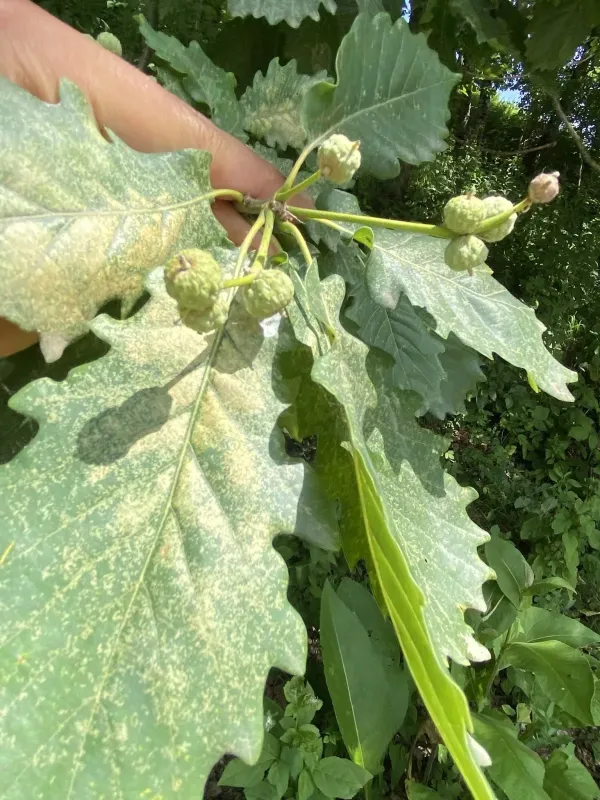
Description
Sowing dates
The propagation of Hartwiss oak is primarily performed through acorns, which should be planted immediately after collection to ensure high germination rates before they dry out.
For spring sowing, acorns must be stored using cold stratification in moist sand at temperatures between 0 and 3°C to mimic natural winter conditions.
Acorns should be buried at a depth of 5 to 8 centimeters, which protects the seed from environmental fluctuations and prevents premature desiccation.
When grown in nurseries, spacing should be carefully managed, with rows spaced at least 40 centimeters apart to allow for proper root system development.
Seedlings are sensitive to extreme sunlight during their first year and require partial shading to maintain optimal moisture levels in the growing medium.
Growing requirements
Hartwiss oak is a member of the Fagaceae family, native to the Caucasus region, thriving in mild climates with sufficient atmospheric and soil moisture.
The tree prefers deep, fertile, and well-drained loamy soils, showing a preference for sites that are neutral or slightly acidic with high organic content.
It is moderately cold-hardy but can suffer damage during severe, prolonged winter frosts, requiring sheltered locations for optimal establishment and growth.
Adequate soil aeration is critical, as the species is sensitive to waterlogged conditions that can inhibit root respiration and lead to fungal infections.
Maintaining a healthy soil ecosystem, including symbiotic mycorrhizal fungi, is essential for the nutrient uptake efficiency of Hartwiss oak saplings.
Yield
The primary economic value of Hartwiss oak lies in its high-quality timber, which is highly sought after for fine furniture making and durable construction.
Beyond timber production, this species serves as a valuable ornamental tree in arboretums and large park landscapes, prized for its robust structure and dense foliage.
Forestry management of this species focuses on maximizing trunk length and straightness, which increases the overall economic return of the timber crop.
The acorns produced by the trees provide a reliable food source for local wildlife, contributing to the overall ecological stability of forest areas.
Sustainable harvesting of mature stands allows for long-term yields of premium wood while simultaneously promoting reforestation and habitat conservation.
Main diseases and pests
Powdery mildew is a common fungal pathogen that can severely affect the development of young leaves, especially in humid or stagnant air environments.
Various defoliating insects, such as leaf rollers, pose a threat to growth by consuming foliage and weakening the tree's overall photosynthetic capacity.
Wood-boring beetles may target stressed or weakened specimens, necessitating consistent forest hygiene and the removal of severely affected trees.
Fungal rots can enter through wounds in the bark, making it important to avoid mechanical damage during silvicultural interventions like pruning or thinning.
Browsing by large mammals represents a significant risk for young plantations, requiring physical barriers to protect developing stems and buds from damage.