
Quararibea turbinata
Quararibea turbinata
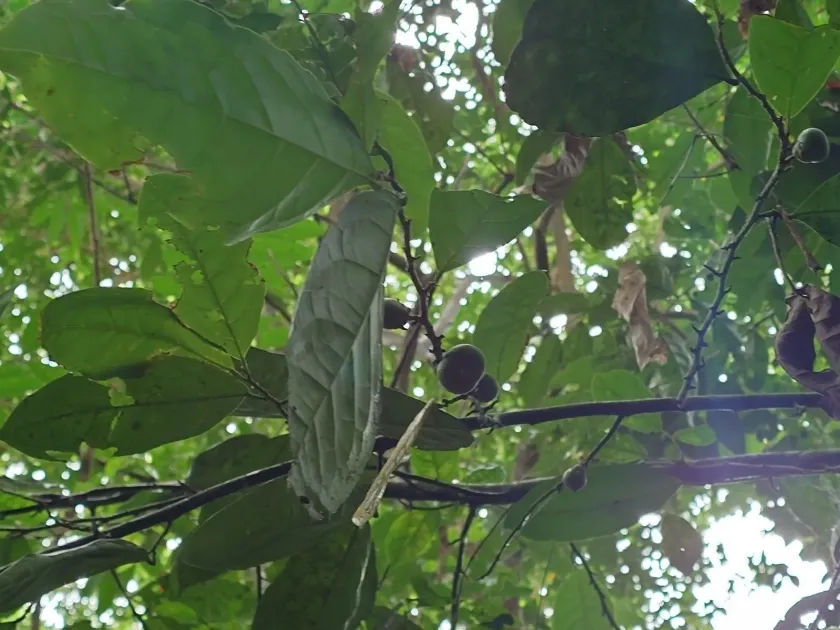
Description
Growing requirements
Quararibea turbinata is a tropical evergreen tree species belonging to the Malvaceae family, subfamily Bombacoideae. It is native to the Caribbean region and parts of Central and South America, thriving in moist tropical environments.
The plant requires a stable, warm climate throughout the year and does not tolerate freezing temperatures. High air humidity is essential for the healthy development of its foliage and overall metabolic functions.
Regarding soil requirements, the species prefers deep, well-drained, and nutrient-rich soils. It is highly susceptible to root rot if water accumulation occurs, necessitating excellent drainage in cultivation sites.
Agricultural practices for this crop involve consistent organic fertilization and controlled shading for juvenile plants. Ensuring proper soil aeration is vital for root health during the initial growth phases.
The tree exhibits a relatively slow growth habit in its early years, so weed management in the surrounding area is critical to prevent nutrient competition and ensure optimal access to solar radiation.
Harvesting
The primary economic utility of Quararibea turbinata lies in its timber, which is valued for its toughness and elasticity. It is commonly used in traditional tool making and the production of durable small items.
The seeds of the fruit contain aromatic properties, sometimes utilized in local culinary traditions as a spice. Harvesting involves careful manual collection of the fruits once they reach maturity to ensure high quality.
Beyond its timber and spice potential, certain parts of the tree have been utilized in ethnomedicine. Harvesting bark and leaves must be done sustainably to avoid impacting the tree's long-term health and growth vigor.
Proper post-harvest management involves drying the seed materials in well-ventilated conditions to maintain their aromatic integrity. Timber must be seasoned appropriately to prevent cracking and warping after felling.
Quararibea turbinata contributes significantly to local agroforestry systems. By integrating this tree into mixed cultivation plots, farmers can enhance biodiversity while obtaining multiple forest products from a single area.