
South American sapote
Quararibea cordata
Description
Growing requirements
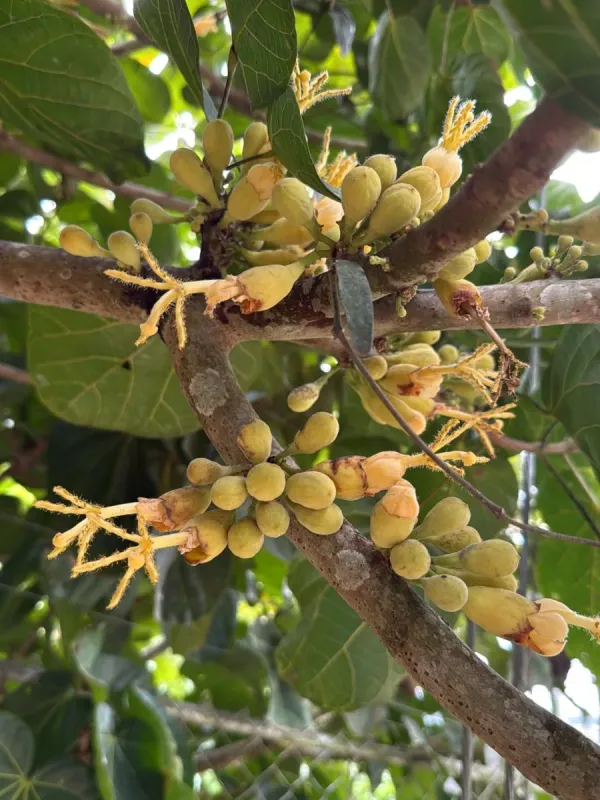
South American sapote (Quararibea cordata), a member of the Malvaceae family, is a large tropical evergreen tree native to the Amazon rainforest. It is prized for its edible, nutrient-rich fruits that have a unique, creamy texture and pleasant flavor.
This crop thrives exclusively in tropical environments where temperatures remain consistently warm, ideally between 22°C and 30°C. It is strictly frost-intolerant and requires protection from temperatures below 15°C to ensure continued vegetative growth.
Soil requirements dictate the use of deep, fertile, and well-drained loams. The tree performs best in areas with high annual rainfall, although it can adapt to areas with distinct dry seasons if supplemental irrigation is provided during the development of fruit.
Agronomic management involves regular pruning to maintain a productive canopy structure and facilitate harvesting. Due to the rapid growth of the tree, young saplings need careful training to ensure a strong scaffold branch system.
The fruit is used for fresh consumption, smoothies, and traditional desserts. The wood of the tree is also utilized in local carpentry due to its lightness and flexibility, making it a valuable resource for rural communities.
Main diseases and pests
Fungal infections, particularly leaf spot diseases and anthracnose, are significant concerns in high-humidity cultivation areas. These pathogens can severely weaken the tree if not managed through proper sanitation and thinning.
Fruit flies represent a primary pest threat, targeting ripening fruits and causing substantial post-harvest losses. Orchard managers often employ traps and bait stations to mitigate the impact of these insects.
Scale insects and mealybugs can infest the branches and leaves, sucking sap and causing secondary issues like sooty mold. Monitoring programs are essential to detect outbreaks before they spread throughout the orchard.
Root rot is a major threat in soils with poor drainage or during periods of excessive flooding. Ensuring a proper slope and drainage pattern is the most effective preventative measure for this condition.
Weed management is critical in the early stages of establishment to prevent competition for nitrogen and phosphorus. Applying organic mulch around the root zone helps manage weeds and maintain soil moisture levels.