
Quararibea funebris
Quararibea funebris
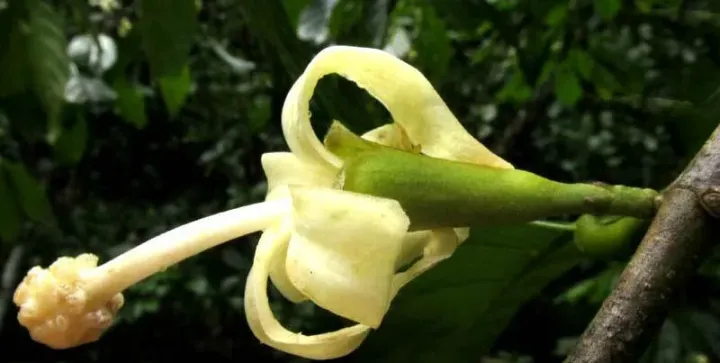
Description
Growing requirements
Quararibea funebris, commonly known as the funeral tree, is a species in the Malvaceae family native to Mexico and Central America. This evergreen tree is highly valued for its fragrant flowers, which have been used traditionally to spice cocoa and other beverages for centuries.
The tree thrives in tropical climates characterized by warm temperatures and high humidity levels. It requires deep, well-drained soils that are rich in organic matter to support its vigorous root system and canopy development.
Regarding sunlight, the plant prefers semi-shaded locations during its initial years, transitioning to full sun as it matures. Consistent irrigation is essential, especially during the dry season, to maintain the health and vitality of the foliage and flower production.
Agricultural management should focus on soil aeration and the periodic application of compost or mulch to mimic the natural forest floor conditions. Pruning is recommended to maintain the tree structure and improve the accessibility for harvesting the aromatic parts.
Cultivation of this species requires patience, as it is a slow-growing tree. However, its unique chemical profile makes it a subject of interest for sustainable agriculture, particularly in the production of natural flavorings and herbal ingredients.
Main diseases and pests
The main threats to the plant are soil-borne pathogens such as Pythium and Phytophthora, which thrive in waterlogged soil. Ensuring proper drainage is the most effective preventative measure against these deadly fungal diseases.
Pest management involves monitoring for common tropical insects such as mealybugs and aphids, which tend to congregate on young shoots. Integrated Pest Management (IPM) strategies, including the use of neem oil, are recommended for maintaining a healthy plantation.