
Pyrrosia hastata
Pyrrosia hastata (Thunb. ex Houtt.) Ching
Description
Growing requirements
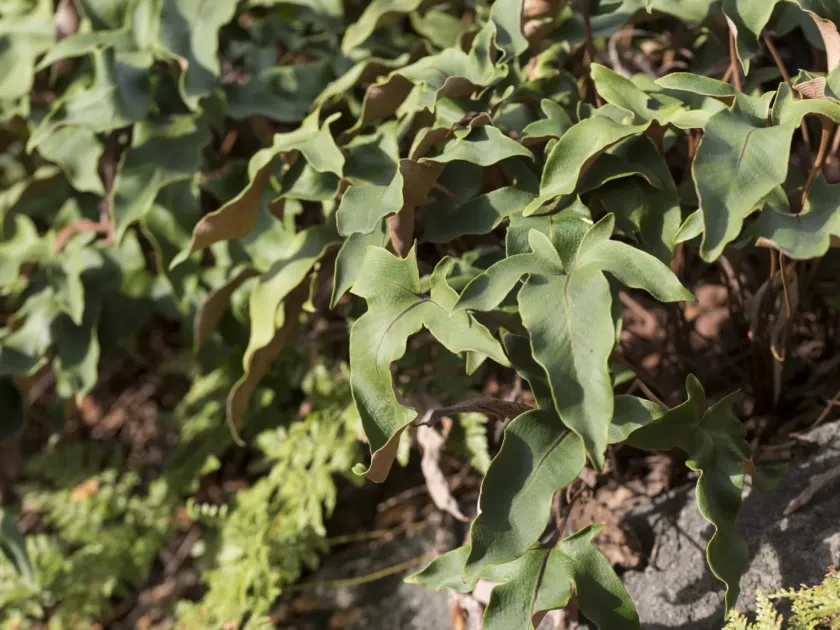
Pyrrosia hastata is a distinctive perennial fern belonging to the Polypodiaceae family. Native to East Asia, it is primarily found in rocky habitats or as an epiphyte, characterized by its leathery, spear-shaped fronds that are highly prized in ornamental horticulture.
The cultivation of this species requires a substrate that mimics its natural epiphyte environment. A mix of orchid bark, sphagnum moss, and perlite is ideal, ensuring excellent drainage and air circulation around the rhizomes to prevent root rot.
Climatic requirements focus on maintaining high humidity and moderate temperatures. Ideally, the environment should mimic a mountain forest: consistent humidity above 60% and temperatures between 18°C and 24°C are optimal for robust growth.
Lighting should be bright but filtered. Pyrrosia hastata is sensitive to high-intensity sunlight, which can scorch its thick foliage. Placing the plant in a spot with soft, indirect light is essential for preserving the deep green color and texture of the fronds.
Watering should be done with soft water, allowing the substrate to partially dry out between sessions. Overwatering is the most common cause of plant failure, making the choice of a porous container, such as a terracotta pot or a wooden mount, highly recommended.
Main diseases and pests
Like many ferns, Pyrrosia hastata is susceptible to various pests if the environmental conditions are not strictly controlled. Scale insects and mealybugs are the most frequent threats, often hiding on the underside of the fronds or along the rhizomes.
Fungal pathogens represent a significant risk, especially in environments with poor air circulation or excessive moisture. Root rot is a primary concern, manifesting as darkening of the rhizome and wilting of the fronds despite the presence of soil moisture.
Spider mites may appear in environments with low humidity and high temperatures. They manifest as fine webbing and mottled yellowing of the fronds, which can quickly degrade the visual appeal of the fern if not treated immediately with horticultural soap.
Regular inspection of the plant's health is necessary to catch infestations at an early stage. Using a damp cloth to clean the fronds periodically helps to remove dust and early signs of pest colonization, keeping the stomata clear for gas exchange.
Chemical control should be applied with caution, as ferns can be sensitive to strong pesticides. Using systemic insecticides must be balanced with the need for organic-friendly maintenance in indoor and greenhouse collections.