
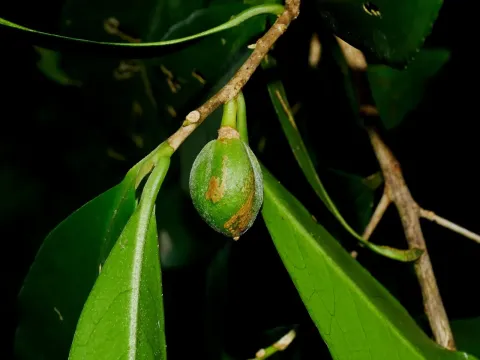
Pyrenaria
Pyrenaria Blume
Pyrenaria (Pyrenaria) is a genus of evergreen trees and shrubs belonging to the Theaceae family. These plants are closely related to the genus Camellia and share similar ecological preferences within tropical environments.
What the section contains
Pyrenaria
Originating from the humid forests of Southeast Asia, the cultivation of Pyrenaria requires a tropical climate with high humidity and consistent rainfall. The plants do not tolerate frost or cold drought, which limits their cultivation to specific geographical zones.
Soil requirements for optimal growth involve well-draining, acidic to neutral soil types. Enrichment with organic matter such as leaf mulch or compost helps simulate their natural forest floor habitat and ensures necessary nutrient availability.
In terms of agricultural techniques, providing shade for young specimens is essential. As the plant matures, it may tolerate more exposure, but protection from intense midday sun remains a priority for leaf health and transpiration control.
Economic uses of Pyrenaria are centered on the extraction of oils from the seeds and the use of the plant in specialized medicinal gardens. Some species are also valued for their potential as ornamental plants in tropical landscaping.
Root rot caused by stagnant water is the primary threat to Pyrenaria in agricultural settings. Ensuring proper soil drainage and avoiding overwatering is critical to maintaining the plant's health.
Pests such as scale insects and aphids can infest the foliage, particularly in nurseries or high-density plantations. These insects sap the plant's vigor and may spread secondary fungal infections.
Management of pests involves the use of systemic insecticides or biological controls, such as predatory mites, to minimize chemical impact on the environment. Regular inspection of the canopy is recommended.
Fungal leaf spots are common during the monsoon or high-humidity seasons. Increasing air circulation through proper pruning and spacing between plants is the most effective preventative measure.
Nutritional deficiencies often manifest as chlorosis when the soil pH rises above the optimal range for the Theaceae family. Periodic testing of soil pH is required to maintain nutrient uptake efficiency.