
Lithospermum erythrorhizon
Lithospermum erythrorhizon Siebold & Zucc.
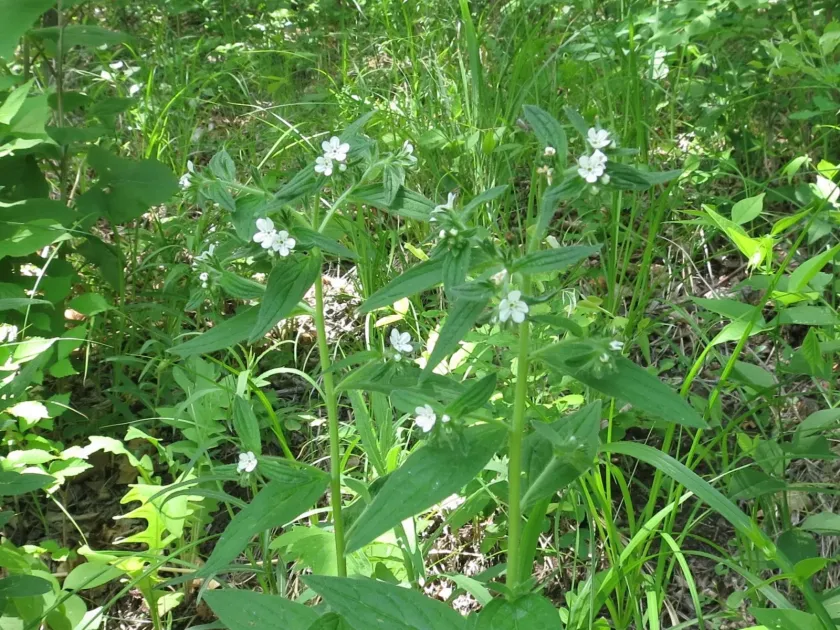
Description
Sowing dates
Lithospermum erythrorhizon, a member of the Boraginaceae family, is typically sown in early spring or late autumn. The seeds often require stratification to break dormancy and ensure uniform germination.
Planting is carried out in rows, maintaining a spacing of 45 to 60 cm between rows to facilitate airflow and weed management. Shallow sowing at a depth of 1–2 cm is recommended for better soil contact.
The crop establishes slowly in its first year, focusing on root development rather than vegetative growth. Providing a weed-free environment during this establishment phase is critical for long-term success.
Using high-quality, pre-stratified seeds helps in achieving a higher density of viable seedlings across the field, optimizing the potential yield from the very beginning.
Proper seedbed preparation, ensuring fine soil structure, is essential to minimize the risk of crusting, which can hinder the emergence of delicate seedlings.
Growing requirements
The plant thrives in well-drained, sandy loam soils with a neutral to slightly acidic pH. Excessive moisture or waterlogged soil conditions lead to root rot, which is the most common cause of crop failure.
Lithospermum erythrorhizon requires full sun exposure to maximize the production of shikonin, the primary bioactive pigment found in its roots. Partial shade can significantly reduce the quality of the raw material.
While the plant is hardy, it benefits from mulch in colder climates to protect the roots from extreme frost heave during winter months. Maintaining consistent moisture levels is vital, especially during the dry summer periods.
Deep cultivation is necessary before planting to allow the long taproot to penetrate the soil without restriction, which is fundamental to developing high-quality medicinal roots.
Organic fertilization is recommended during site preparation to ensure a balanced nutrient profile throughout the multi-year growing cycle of this perennial crop.
Yield
Harvesting usually occurs at the end of the second or third year when root development is sufficient. High-yielding plots can produce between 1.5 and 2 tonnes of dried roots per hectare.
The quality of the yield is primarily judged by the intensity of the purple-red coloration in the outer bark of the root, indicating high concentrations of active compounds.
Technological improvements in harvesting equipment have allowed for more efficient extraction of the deep roots, reducing the manual labor traditionally required for this crop.
Monitoring the growth cycle ensures that roots are harvested at the peak of their medicinal potency, preventing premature or delayed extraction that could affect the biochemical profile.
Post-harvest processing involves cleaning and grading roots to ensure consistency, which is a major factor in determining market value for medicinal suppliers.
Main diseases and pests
Fungal pathogens represent the biggest threat to this crop, particularly those affecting the root system. Proper drainage and site rotation are the most effective preventive measures against these diseases.
Soil pests like wireworms can cause physical damage to the taproot, creating openings for infection. Implementing integrated pest management strategies is essential for protecting the plant's long-term health.
Weed competition is a severe issue, especially in the early stages of growth. If not managed, weeds can easily outcompete the slow-growing Lithospermum plants, leading to a significant loss in yield.
Preventative monitoring and the use of healthy, disease-free starting material minimize the necessity for chemical interventions, which is critical for herbal crops.
Environmental stress, such as prolonged drought or extreme heat, can weaken the plants, making them more susceptible to common foliage spots and pests.
Harvesting
The harvesting process begins in late autumn as the plant enters dormancy. At this stage, nutrients have successfully relocated to the root system, increasing the quality of the product.
Roots are excavated using specialized machinery to lift the soil layer, which allows for the extraction of the entire root length without breakage or significant mechanical damage.
Once lifted, the roots must be cleaned of all soil and debris immediately, followed by gentle drying in a controlled environment to avoid overheating and oxidative damage.
Effective drying is a delicate balance; it must be thorough enough to prevent mold growth while preserving the sensitive chemical compounds responsible for the plant's medicinal value.
After reaching the desired moisture content, the dried roots are stored in light-proof, moisture-resistant packaging to prevent degradation from ultraviolet rays and humidity.