
Black apricot
Prunus x dasycarpa Ehrh.
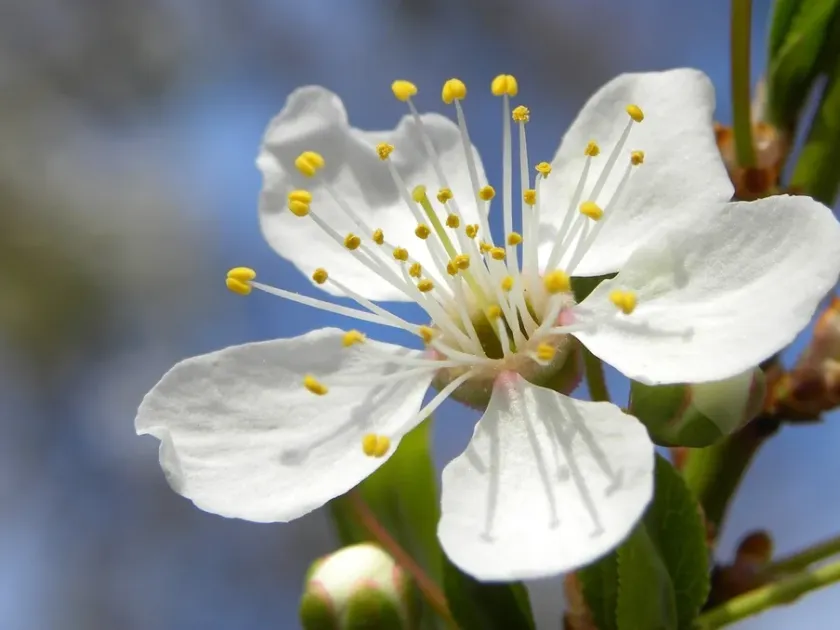
Description
Growing requirements
The black apricot (Prunus x dasycarpa), also known as the purple apricot, is a hybrid belonging to the Rosaceae family. It is a deciduous tree that is widely valued for its unique fruit characteristics and high hardiness compared to traditional apricot varieties.
The species thrives in temperate climates, showing significant tolerance to late spring frosts, which is a major advantage for commercial and home growers. It performs best in full sun exposure, which is necessary for fruit maturation and the development of flavor profile.
Soil requirements for this crop include good drainage and moderate fertility. While the tree can tolerate a variety of soil types, it performs best in loamy soils with a pH ranging from neutral to slightly alkaline, avoiding locations with waterlogged ground.
Orchard management involves regular pruning to keep the canopy open, which is essential to reduce humidity and prevent fungal infections. Fertilizer programs should be adjusted based on soil testing, focusing on nitrogen in early spring and potassium during the fruit-filling stage.
Economically, the black apricot is an excellent crop for fresh market production and specialized processing. Its distinct, dark-skinned fruit and sweet-tart flesh are sought after for culinary applications, including jams, purees, and gourmet desserts.
Main diseases and pests
Brown rot (Monilinia) is the most critical threat to black apricot orchards, particularly during cool and rainy springs. Infected flowers and shoots must be pruned promptly to prevent the fungus from spreading further into the woody parts of the tree.
Shot hole disease is a common fungal issue that creates small holes in the foliage, reducing the photosynthetic capacity of the tree. Fungicide applications during the dormant stage or at early leaf development are recommended to maintain tree vigor.
Pest management should focus on the plum moth, which can significantly damage the fruit quality. Integrated pest management, including the use of pheromone traps and timely insecticide sprays, is essential for maintaining a healthy harvest.
Aphids and mites can become problematic during hot and dry summer months by weakening the tree through sap feeding. Regular monitoring of the foliage underside and the use of insecticidal soaps can manage these infestations effectively.
Sanitation is paramount in the management of Prunus dasycarpa. Removing and destroying fallen leaves and mummified fruit at the end of the season reduces the overwintering population of pathogens and pests, significantly decreasing the pressure for the following year.