
Ptychosperma sanderianum
Ptychosperma sanderianum
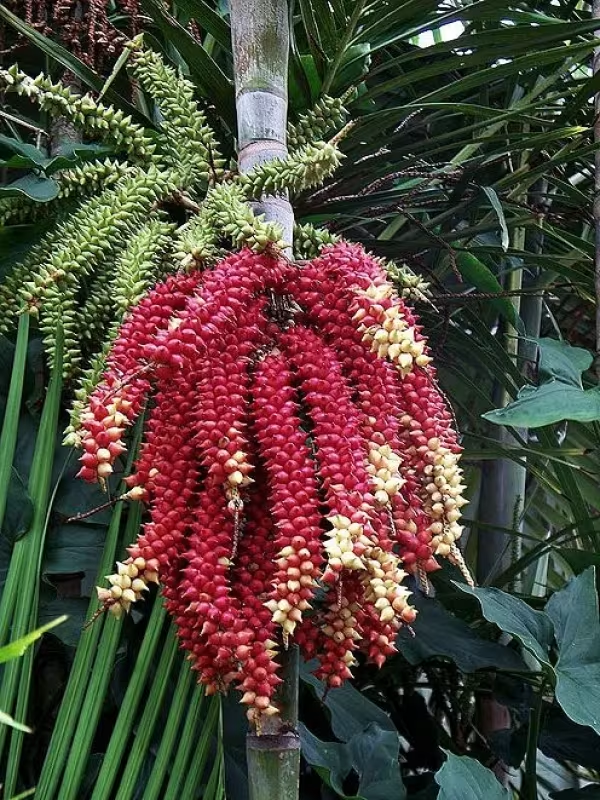
Description
Growing requirements
Ptychosperma sanderianum is a graceful pinnate palm belonging to the Arecaceae family, originating from the tropical rainforests of New Guinea. As a decorative palm, it is highly valued for its elegant fronds and ability to thrive in tropical environments, making it a popular choice for conservatory and interior landscaping.
To ensure optimal health, this palm requires bright, indirect light; direct sunlight can scorch the foliage, leading to unsightly brown patches. It thrives in temperatures ranging from 20°C to 28°C and is quite sensitive to cold drafts, which should be avoided to prevent plant stress.
The ideal growing medium for Ptychosperma sanderianum is a well-draining, nutrient-rich, and slightly acidic soil mix. Efficient drainage is paramount to prevent root rot, as the roots are highly susceptible to damage if left sitting in saturated water for extended periods.
Regular watering is essential during the active growing season, keeping the soil moist but not waterlogged. As temperatures cool in winter, watering frequency should be reduced, allowing the top layer of the soil to dry out between waterings to maintain a healthy root system.
Regular fertilization with a balanced, palm-specific fertilizer high in micronutrients is recommended during the growing months to promote lush growth. Additionally, maintaining high ambient humidity through misting or humidifiers is vital for the plant's overall vitality in indoor settings.
Main diseases and pests
The most common pests affecting this palm are spider mites, scale insects, and mealybugs, which tend to flourish in low-humidity environments. Periodic inspection of the leaves, especially the undersides, is essential for early detection and mitigation.
Management of pest populations involves the use of targeted insecticides or acaricides, alongside mechanical cleaning of the foliage. Maintaining proper humidity levels serves as a powerful natural deterrent against many of these common palm pests.
Root rot is a significant threat typically caused by overwatering or poor soil aeration. If signs of decay appear, it is necessary to reduce watering immediately and repot the palm into fresh, sterile, and well-draining substrate to save the plant.
Fungal leaf spot diseases can emerge if air circulation is insufficient or if the foliage remains wet for too long in cool conditions. Proper spacing and good ventilation in growing areas are key to preventing the spread of fungal pathogens.
Salt accumulation from hard water can cause yellowing or browning tips on the leaves, known as tip burn. Using filtered, rainwater, or distilled water is the best practice for long-term health and maintaining the aesthetic appeal of the palm's foliage.