
Ptychosperma macarthurii
Ptychosperma macarthurii
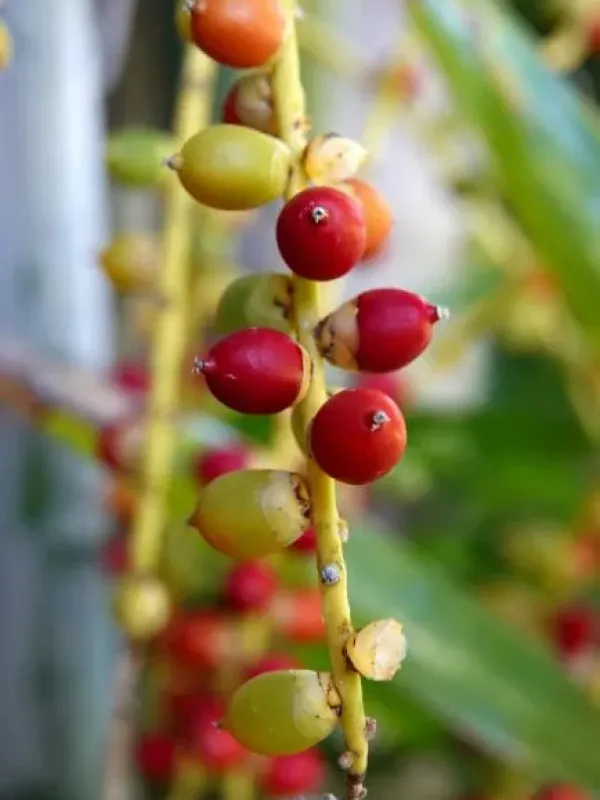
Description
Sowing dates
The propagation of Ptychosperma macarthurii is typically achieved through seeds, which require specific conditions to germinate successfully. The ideal time for sowing is during the warm spring or summer months.
Seeds should be cleaned and soaked in warm water for at least 24 hours prior to planting to soften the hard outer layer. This process helps significantly in increasing the overall germination rate.
A sterile, well-draining substrate composed of peat moss and perlite is recommended for the sowing process. Containers must be kept in a warm location, ideally with bottom heat to encourage root development.
Maintaining high humidity levels is crucial during the early stages of development. Covering the seedling trays with clear plastic or glass helps to create the necessary microclimate for the young plants.
Once the seedlings develop at least two or three true leaves, they are ready to be transplanted into individual pots. It is essential to use a nutrient-rich potting mix suitable for palms to ensure healthy growth.
Growing requirements
Ptychosperma macarthurii, a member of the Arecaceae family, is native to tropical rainforests in Australia and New Guinea. This heritage necessitates a warm, humid environment for optimal development.
The plant thrives in bright, indirect light conditions. While it can tolerate some morning sunlight, direct exposure to harsh afternoon rays must be avoided to prevent leaf scorching and desiccation.
Temperature consistency is vital; the plant performs best in temperatures ranging from 22 to 30 degrees Celsius. It is highly intolerant of frost and sudden temperature drops, which can cause significant stress.
The soil should be fertile, slightly acidic, and provide excellent drainage. A high-quality palm mix supplemented with organic matter typically provides the best foundation for sustained growth.
Regular irrigation is necessary to keep the soil consistently moist but never waterlogged. During winter months, irrigation should be reduced to prevent the roots from rotting in cold, damp soil.
Main diseases and pests
Common pests affecting this species include scale insects, mealybugs, and spider mites. These pests thrive in dry environments and can cause severe damage if left unmanaged on the foliage.
Management involves using systemic insecticides or horticultural oils to eliminate infestations. Early detection is key, so regular monitoring of the underside of the leaves is a highly recommended practice.
Root rot is the most common disease, usually caused by poor drainage or excessive watering. If the soil remains saturated for long periods, the roots will quickly deteriorate and succumb to pathogens.
To prevent disease, ensure that the pot has sufficient drainage holes and that water is never allowed to stand in the saucer. Good air circulation is also critical to prevent fungal outbreaks.
Nutrient deficiencies, particularly involving magnesium or potassium, can cause yellowing of the fronds. Regular application of a balanced, slow-release palm fertilizer will help maintain vigor and health.