
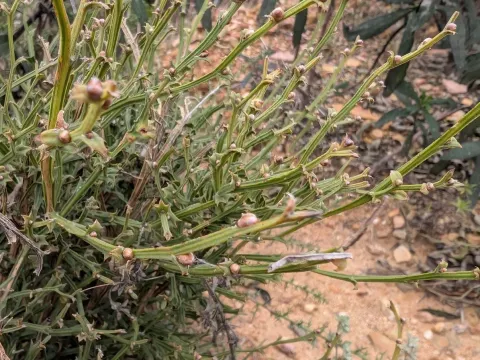
Pterospartum
Pterospartum
Pterospartum is a genus of shrubs belonging to the Fabaceae family. Known for its resilience, this crop is particularly valued for its adaptation to marginal soils where nutrient availability is limited. The most representative species, Pterospartum tridentatum, is a woody shrub often used in ecosystem restoration projects.
What the section contains

Pterospartum
The native range of this plant is primarily focused in the Mediterranean basin, specifically in Portugal and parts of Spain. It thrives in maritime climates, demonstrating high tolerance to high winds and salt exposure. Its ability to grow in sandy and stony soils makes it an excellent candidate for stabilizing eroding landscapes.
Climatic requirements for Pterospartum include full sun exposure, which is critical for maximizing both biomass production and floral development. While it is hardy against moderate frost, it prefers warm temperatures. The plant's deep root system ensures survival during extended drought periods, requiring minimal supplemental irrigation once established.
From an agrotechnical perspective, Pterospartum requires very little chemical intervention. As a legume, it maintains a symbiotic relationship with nitrogen-fixing bacteria, which enriches the soil naturally. Soil drainage is the most vital requirement, as this species is highly susceptible to root damage when subjected to waterlogged conditions.
Beyond its ecological importance, Pterospartum has historical utility in rural economies. It has been utilized as a raw material for fodder, bedding for livestock, and as an essential nectar source for apiculture. Current research also explores its potential as a sustainable source of biomass in areas unsuitable for intensive agriculture.
Pterospartum is generally robust, but it can be susceptible to fungal diseases such as Phytophthora during exceptionally wet seasons. These pathogens attack the root system, causing yellowing of the foliage and eventual wilting. Ensuring proper soil permeability is the primary strategy for managing these risks.
Insect pests such as spider mites may appear during prolonged, hot, and dry periods. If infestation becomes significant, light pruning of affected areas is often sufficient to manage the population. It is recommended to avoid heavy pesticide use to protect pollinator populations, as the plant is a critical resource for local bee species.