
Pterospartum tridentatum
Pterospartum tridentatum
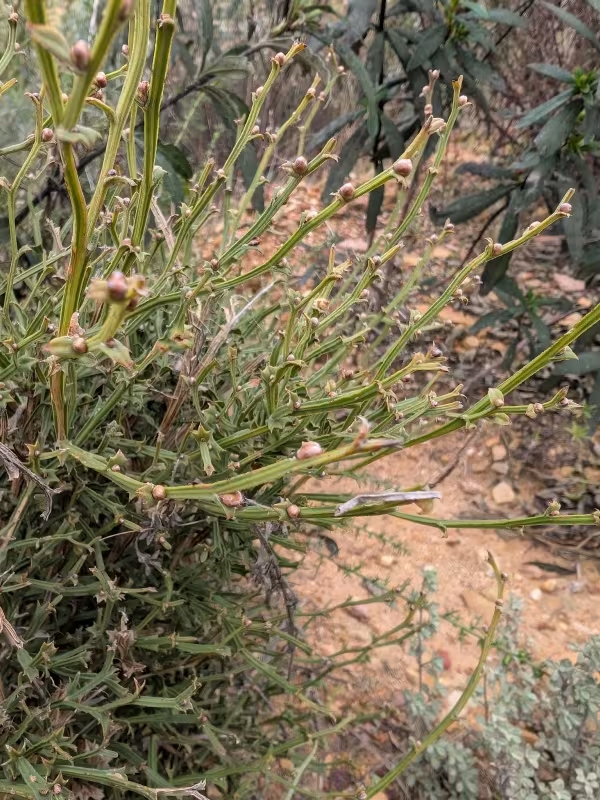
Description
Growing requirements
Pterospartum tridentatum is a perennial shrub belonging to the Fabaceae family, native to the Iberian Peninsula, specifically Portugal and north-western Spain. It is distinguished by its unique winged stems that act as photosynthetic organs.
The species is perfectly adapted to the Mediterranean climate, characterized by mild, wet winters and warm, dry summers. It thrives in open, sunny locations where light exposure is maximized throughout the growing season.
Regarding soil, this plant prefers acidic, nutrient-poor substrates. Its ability to form symbiotic relationships with nitrogen-fixing bacteria allows it to flourish in conditions where soil fertility is minimal.
For successful cultivation, well-drained soil is essential to prevent water accumulation near the root system. It is a highly resilient species that demonstrates significant drought tolerance once fully established in the field.
Industrially, this shrub is utilized in landscape restoration, as a source of biomass, and for its potential applications in the cosmetic and pharmaceutical sectors due to its secondary metabolites.
Main diseases and pests
Root rot caused by stagnant water is the primary pathological threat to the crop. Poor drainage in the plantation area frequently leads to the development of fungal infections that are difficult to manage.
Aphids represent a common pest that targets the tender young shoots. If left unchecked, these infestations can drain the plant's resources and significantly reduce the overall health of the shrub.
Stem-boring insects may also pose a challenge in some regions, damaging the internal tissues and weakening the structural integrity of the plant. Regular monitoring of stem health is recommended for commercial growers.
Excessive humidity during the spring can facilitate the spread of powdery mildew. This disease manifests as a white coating on the stems, which can impede photosynthesis if not treated promptly.
Effective management involves maintaining adequate spacing between individual plants to promote airflow. This cultural practice significantly reduces the risk of both fungal outbreaks and insect colonization.