
Pteronia incana
Pteronia incana
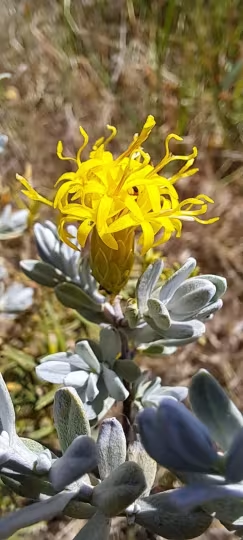
Description
Growing requirements
Pteronia incana, commonly known as grey pteronia, is a perennial shrub belonging to the Asteraceae family. It is native to the semi-arid regions of Southern Africa, where it thrives in harsh, dry climates.
The plant is highly xerophytic, characterized by fine hairs on its leaves that reflect sunlight and reduce water loss through transpiration. This adaptation allows it to survive in environments where rainfall is scarce.
It performs best in well-drained, sandy, or rocky soils. It is particularly valued in its native range for its role in preventing wind erosion by stabilizing the topsoil with its robust root system.
Agricultural success with this species requires mimicking its natural environment: full sunlight and low humidity are essential. The plant is extremely sensitive to waterlogged conditions, which can lead to rapid decay.
In terms of temperature, Pteronia incana is well-adapted to wide fluctuations, tolerating both high heat during the day and cooler temperatures at night, which are typical of its indigenous habitat.
Yield
Pteronia incana serves primarily as a fodder plant in extensive livestock farming. It provides a consistent source of green vegetation for sheep and goats during seasons when other forage is unavailable.
The yield of this crop is measured in terms of biomass production for grazing animals. While not as high-yielding as conventional grasses, its nutritional value remains stable throughout the year.
Regeneration capacity is a key feature of this shrub. Following controlled grazing, the plant quickly produces new shoots, provided the root system remains undisturbed and healthy.
Farmers must carefully manage the grazing pressure. Overgrazing can reduce the plant's ability to store carbohydrates, eventually leading to a decline in overall biomass production and stand density.
Sustainable use of this plant as a fodder resource can significantly enhance the carrying capacity of marginal lands, making it an economically viable option for livestock producers in arid regions.
Main diseases and pests
The primary threat to Pteronia incana populations is unsustainable grazing practices. Excessive trampling and continuous defoliation hinder the plant's natural growth cycle.
The species is generally robust against pests due to the secondary metabolites in its tissues, which act as a natural deterrent against many generalist insect herbivores.
Disease outbreaks, particularly fungal infections like root rot, are typically restricted to areas with poor soil drainage. Ensuring adequate aeration is the best preventive measure against such threats.
Competition from aggressive weeds or invasive woody species can stifle the development of young shrubs. Regular field monitoring is necessary to keep competitive pressure in check during the establishment phase.
Climatic shifts resulting in prolonged unusual rainy periods may inadvertently increase the susceptibility of the crop to foliage diseases, requiring proactive management and monitoring by the grower.