
Pteridium revolutum
Pteridium revolutum
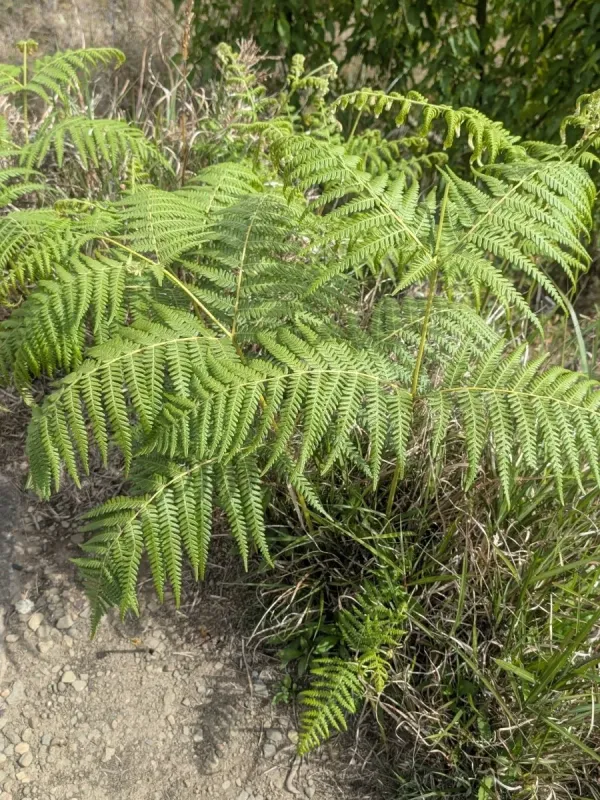
Description
Sowing dates
Pteridium revolutum is a perennial fern species that propagates primarily through an extensive underground rhizome system, which is the most reliable method for establishing new crops.
Planting is best performed in early spring as the soil warms up, using divided sections of mature rhizomes planted at a depth of 10 to 15 centimeters.
The chosen site must be cleared of perennial weeds before planting, as the slow initial establishment of the fern makes it vulnerable to aggressive competitors.
Spacing between plants should allow for vigorous lateral expansion, typically requiring about 3 to 4 plants per square meter to ensure full field coverage within a few seasons.
Proper soil moisture during the first few weeks following transplanting is essential to stimulate the emergence of new fronds from the established root system.
Growing requirements
This fern species thrives in semi-shaded environments with high air humidity, which mimics the natural forest floor conditions where it originates.
Soil requirements include well-drained, acidic to neutral substrates enriched with organic matter, which supports the healthy proliferation of the rhizome network.
Protection from direct midday sun is critical, as high solar radiation can scorch the delicate, rapidly growing crosiers in the early spring months.
The crop is highly sensitive to waterlogging, necessitating excellent drainage in the planting area to prevent rhizome decay and fungal outbreaks.
In regions with harsh winters, a moderate layer of mulch can help insulate the ground and protect the dormant buds from extreme freezing temperatures.
Yield
The productivity of Pteridium revolutum is highly dependent on the density of the rhizome mat and the availability of soil nutrients during the active growing season.
Sustainable harvesting practices, which involve picking only a portion of the available fronds, allow the plant to maintain its population vigor year after year.
Under optimal cultivation conditions, mature patches can produce several hundred kilograms of edible crosiers per hectare annually.
Yield tends to increase as the fern patch matures, reaching its peak production capacity typically five to seven years after the initial site establishment.
Proper management of the patch, including weeding and thinning of old growth, is necessary to sustain high yield levels and prevent over-competing within the colony.
Main diseases and pests
Pteridium revolutum is generally resilient, but excessive humidity can lead to fungal issues such as rust or leaf spot, particularly in poorly ventilated sites.
Slugs and snails are the primary pests that target young, succulent fronds, often requiring diligent monitoring during the early stages of spring growth.
Root rot is a significant risk in heavy, clay-rich soils that retain too much moisture, potentially wiping out large sections of the fern colony.
Aphids may occasionally infest the underside of the fronds, though they are rarely a critical threat if the overall plant health is maintained through proper spacing.
Good agricultural practices, including maintaining a clean planting environment and ensuring sufficient airflow, are the best defense against potential infestations.
Harvesting
Harvesting should be conducted exclusively when the fronds are in the crosier stage, before they begin to unfurl, to ensure the highest culinary quality.
Each shoot is manually harvested by cutting it a few centimeters above the ground, taking care not to disturb the underlying dormant buds on the rhizome.
Post-harvest handling is critical because the fresh fronds have a short shelf life and must be processed immediately to prevent degradation and fiber toughening.
The optimal harvest window is relatively short, often lasting only a few weeks, which requires efficient planning and labor coordination during the season.
Proper sanitation and cooling of the harvested product are essential to maintain its texture and nutritional profile until it is ready for further processing or sale.