
Pteridium caudatum
Pteridium caudatum
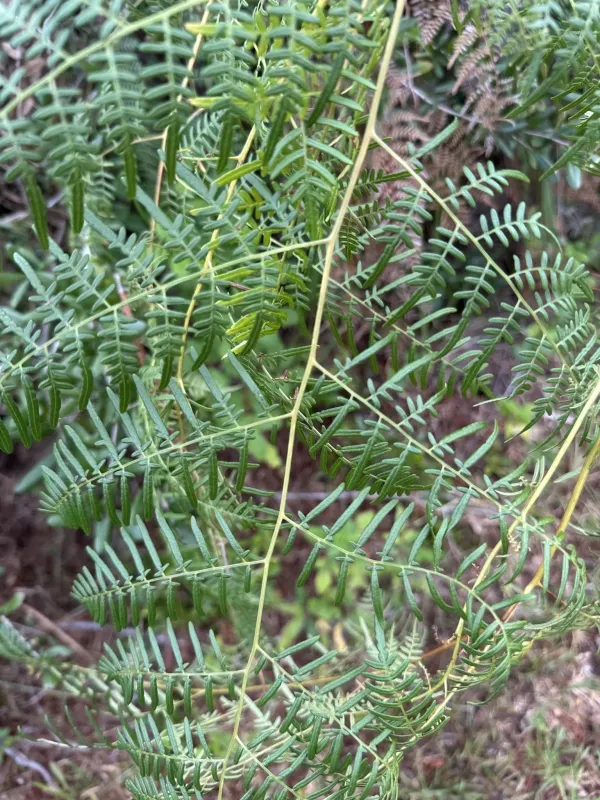
Description
Growing requirements
Pteridium caudatum is a robust perennial fern belonging to the Dennstaedtiaceae family. It is characterized by its extensive creeping rhizome system, which allows it to thrive in dense colonies, covering significant areas in its native tropical habitats.
The plant originates from the tropical regions of the Americas and the Caribbean. In the wild, it typically colonizes disturbed sites, forest fringes, and open meadows, demonstrating a high level of adaptability to various light conditions, provided the humidity remains high.
Soil requirements for Pteridium caudatum involve well-drained, acidic to neutral substrates enriched with organic matter. The plant is highly sensitive to waterlogging, which necessitates excellent drainage infrastructure to prevent root decay in agricultural settings.
Climatic requirements are focused on tropical warmth, typically between 20°C and 28°C. Being a frost-intolerant species, it requires protected growing environments in temperate zones to ensure continuous metabolic activity and optimal leaf development.
Cultural practices include regular moisture monitoring and the application of mulch to suppress weeds and maintain substrate structure. Because of its vigorous rhizomatous growth, spacing management is crucial to prevent overcrowding and ensure air circulation among the fronds.
Main diseases and pests
Primary threats to the crop include fungal pathogens that exploit high-humidity environments. Leaf spot and rhizome rot are common challenges that require strict environmental controls, such as adequate spacing and regulated irrigation practices to manage pathogen spread.
Pests such as mites and scale insects represent the most significant biotic threats. Monitoring for early signs of infestation is essential for maintaining crop quality, as these pests can rapidly deplete the plant's resources and reduce the overall aesthetic and commercial value.