
Edible bracken
Pteridium esculentum
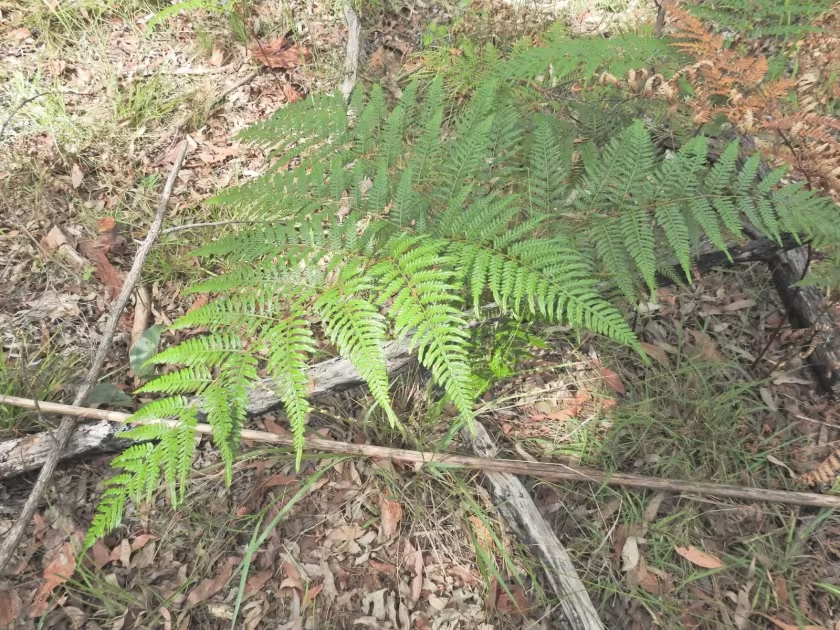
Description
Growing requirements
Edible bracken (Pteridium esculentum) belongs to the Dennstaedtiaceae family. This perennial herbaceous plant naturally thrives in temperate and subtropical regions, primarily across Oceania, Australia, and South America.
Successful cultivation requires loose, well-drained acidic or neutral soils. The plant prefers areas with adequate moisture levels but is intolerant of waterlogging, which can easily cause the rhizomes to rot.
The crop is quite shade-tolerant, although dappled light is necessary to produce high-quality shoots. Under intensive farming conditions, it is vital to provide protection against strong winds that can damage the delicate young fronds.
The optimal temperature range for active plant development is between 15 and 25 degrees Celsius. Maintaining consistent air humidity is crucial, as dry conditions adversely affect the tenderness and succulence of the harvested shoots.
Propagation is most commonly achieved vegetatively through the division of rhizomes. The root system is extremely robust and deep; therefore, thorough soil preparation to a depth of at least 30 centimeters is required before planting.
Main diseases and pests
Edible bracken is a relatively resilient plant; however, it can be susceptible to fungal infections if agronomic practices are neglected. Excessive moisture encourages the development of root rots that can spread rapidly across a plantation.
Among pests, leaf-chewing insects and slugs pose the most significant threat, as they damage the young succulent shoots during the active growth phase. Pest control is managed using a combination of biological and mechanical methods.
A key risk factor is the presence of certain anti-nutritional compounds within the plant tissues. To ensure consumer safety, farmers strictly adhere to established protocols regarding harvesting and initial processing techniques.
Weed infestation is a major threat during the first years of the crop's establishment. Regular mulching is required to suppress weed competition and maintain consistent moisture in the root zone.
Plantation monitoring should be carried out weekly, particularly during the shoot formation period. Timely removal of affected plant parts helps manage infection outbreaks without relying heavily on synthetic chemicals.
Harvesting
Commercial utilization focuses on harvesting young shoots, known as "croziers" or "fiddleheads," while they remain tightly coiled and tender. Harvesting is typically done by hand, selecting shoots between 10 and 20 centimeters in length.
The harvest process requires caution to avoid damaging the main growth points of the rhizome, which ensures the long-term productivity of the plantation. It is essential to harvest before the frond begins to unfurl, as the concentration of toxic compounds is lowest at this stage.
After harvesting, the product requires mandatory primary thermal processing. Raw shoots contain specific enzymes and glycosides that are neutralized through boiling in salted water or prolonged soaking.
The primary use is in the food industry, where these shoots are treated as a gourmet vegetable. They are a staple in Asian and Pacific cuisines, where they are pickled, stir-fried, or dried for long-term storage.
The crop also holds potential as an ornamental plant, yet the primary agronomic focus remains on achieving a consistent edible yield within specialized agricultural settings.