
Psychopsis versteegiana
Psychopsis versteegiana
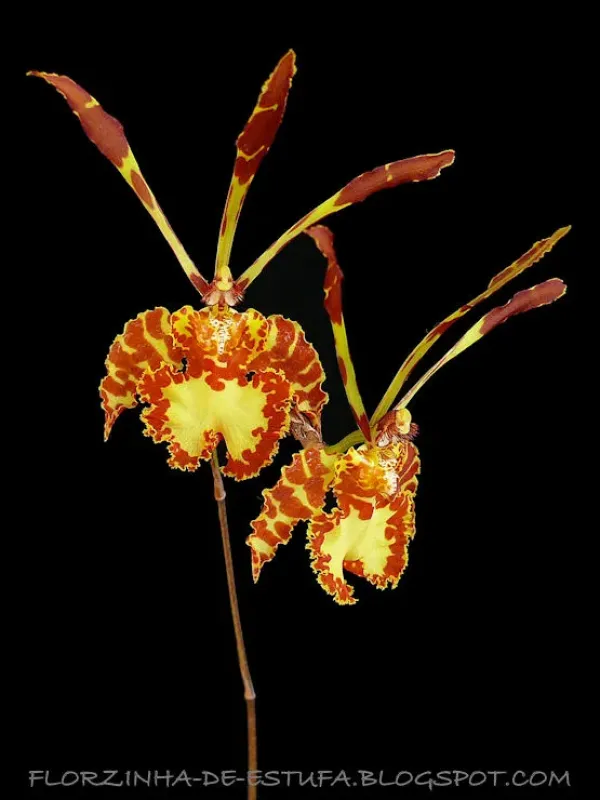
Description
Growing requirements
Psychopsis versteegiana is a remarkable orchid species belonging to the Orchidaceae family, native to the tropical forests of South America. It is prized by collectors for its unique morphological structure and its fascinating ability to mimic other organisms.
This species requires high humidity levels, ideally ranging from 70% to 85%, to thrive in an indoor or greenhouse environment. Consistent moisture is crucial, and growers often use automatic misting systems to prevent the plant from experiencing drought stress.
Regarding light requirements, this orchid flourishes under bright, diffused sunlight. It is essential to avoid direct midday sun, which can cause severe leaf scorch, so implementing shading nets or choosing a north-facing window is highly recommended.
The planting substrate must be extremely well-draining, mimicking the bark of trees in the wild. A mixture consisting primarily of orchid bark, perlite, and a small portion of charcoal provides the necessary aeration for the roots to remain healthy and pathogen-free.
The plant prefers a stable thermal environment with daytime temperatures between 22 and 26 degrees Celsius. Avoiding sudden drafts and maintaining a consistent temperature cycle is vital for the physiological development and successful blooming of the plant.
Main diseases and pests
The primary threats to Psychopsis versteegiana are fungal and bacterial infections triggered by poor airflow and excessive moisture levels. Root rot is the most common cause of decline, which underscores the importance of maintaining an open and breathable potting medium.
Scale insects and mealybugs are the most frequent pests that affect this orchid species. They typically congregate near the base of the leaves and pseudobulbs, draining sap and weakening the plant's structural integrity over time.
Spider mites represent a significant risk during dry seasons or in environments with low humidity. Growers must regularly inspect the foliage for fine webbing and discolored spots to intervene before the infestation spreads throughout the collection.
To effectively mitigate these threats, integrated pest management is advised. This includes maintaining strict hygiene in the cultivation area, quarantining new plants before adding them to a collection, and regular application of preventative organic pest treatments.
Monitoring for signs of stress, such as yellowing leaves or wrinkled pseudobulbs, allows for early intervention and ensures that the plant recovers quickly from potential physiological or parasitic setbacks.