
Pseudobombax ellipticum
Pseudobombax ellipticum
Description
Growing requirements
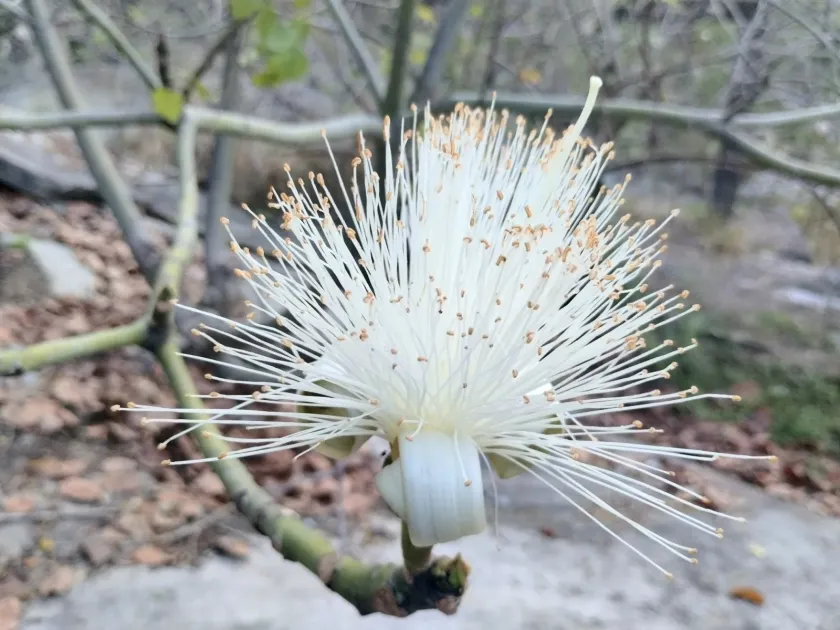
Pseudobombax ellipticum, commonly known as the Shaving Brush Tree, is an impressive deciduous species belonging to the Malvaceae family. It is renowned for its large, spectacular flowers featuring long, vibrant stamens that resemble a shaving brush.
Native to the tropical regions of Mexico and Central America, this tree is adapted to climates with distinct wet and dry seasons. It typically sheds its foliage during the dry period to conserve resources and prepare for its dramatic flowering phase.
The tree thrives in full sun exposure. Adequate light is essential for maintaining the health of the trunk and promoting regular flowering. In indoor settings, it should be placed in the brightest location available.
Soil requirements are strictly centered around drainage. It requires a fast-draining substrate to prevent root rot, which is the primary threat to its survival. A mix of pumice, coarse sand, and potting soil is recommended for container-grown specimens.
Watering frequency should be significantly reduced during the winter dormant season. Keeping the soil dry during this period mimics its natural habitat, preventing moisture-related complications such as fungal infections.
Main diseases and pests
While the tree is relatively hardy, it is susceptible to mealybugs and scale insects, especially when kept in sheltered or indoor environments. Regular inspection of the stem and branches is necessary for early intervention.
Fungal pathogens represent the most significant threat to Pseudobombax ellipticum. These are usually the result of overwatering or inadequate soil aeration, leading to soft rot in the root system or the base of the trunk.
Effective management involves maintaining high air circulation around the plant. If infestation occurs, biological or chemical control agents specific to the pest should be applied carefully to avoid damaging the leaves.
Maintaining a clean growing area and pruning away dead or decaying branches helps to reduce the risk of disease spread. Prevention through proper cultural practices remains the best defense.
Overall, with appropriate care, the Shaving Brush Tree is a resilient and long-lived ornamental, making it a highly prized addition to conservatory collections and tropical landscapes worldwide.