
Yoshino cherry
Prunus x yedoensis Matsum.
Description
Growing requirements
The Yoshino cherry (Prunus x yedoensis) is a deciduous tree belonging to the Rosaceae family. It is a hybrid species known for its rapid growth and elegant, spreading canopy that can reach up to 12 meters in height, providing a magnificent floral display in spring.
The tree thrives in full sun, which is essential for maximizing its floral output. While it can tolerate partial shade, insufficient sunlight often leads to sparse blooming and a weaker branch structure, reducing the tree's overall ornamental impact in a garden setting.
Proper soil management is vital for this species, favoring well-drained, fertile, and slightly acidic soil. It is critical to avoid waterlogged areas or heavy clay soils that compact easily, as the roots require good aeration to prevent rot and sustain healthy growth.
Cultural maintenance involves regular monitoring of moisture levels, particularly during the first few years after planting. Mulching the root zone helps regulate soil temperature and retain moisture, ensuring the tree remains vigorous during hot, dry summer periods.
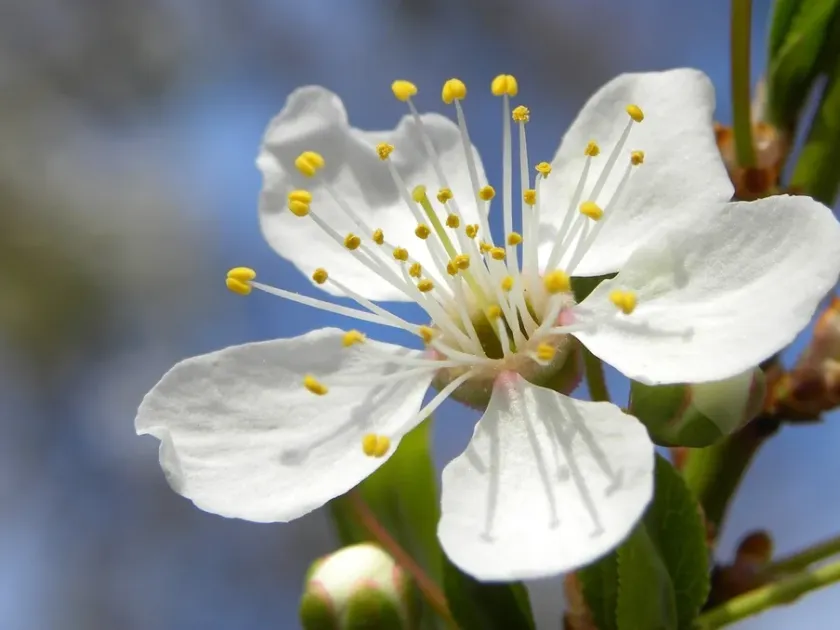
In landscaping, the Yoshino cherry is widely prized as an ornamental specimen. Its delicate, fragrant white to pink flowers appear before the leaves, creating a unique visual experience that makes it a staple for public parks and residential landscape designs.
Main diseases and pests
Yoshino cherries are susceptible to several pests, including aphids, Japanese beetles, and scale insects, which can feed on the foliage or sap. Early intervention with organic or synthetic insecticides is recommended to prevent significant damage to the canopy during the growing season.
Common diseases affecting this tree include powdery mildew and black knot. Maintaining good airflow by proper pruning and practicing thorough sanitation by clearing fallen leaves helps reduce the fungal spore load, keeping the tree healthy and aesthetically pleasing year-round.