
Schmitt's plum
Prunus x schmittii Rehder
Description
Growing requirements
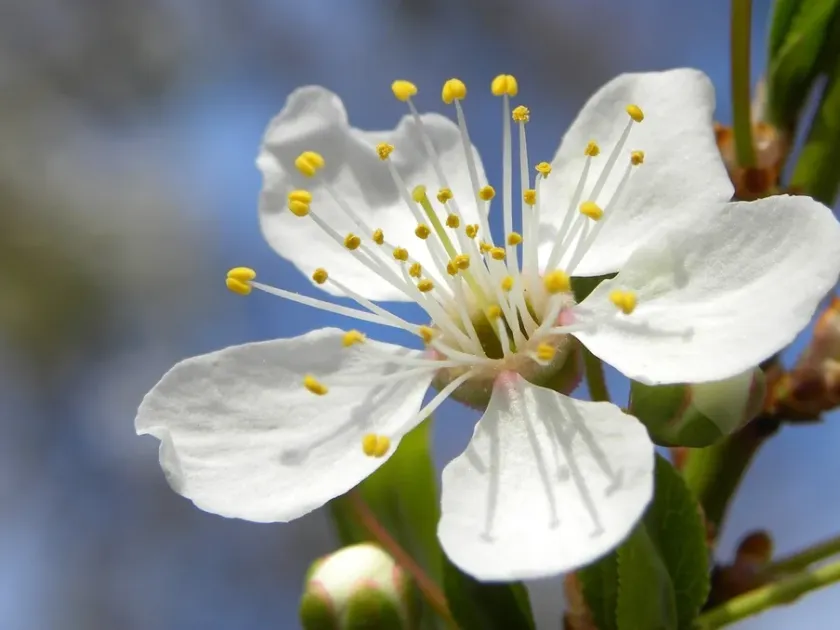
Schmitt's plum (Prunus x schmittii) is a hybrid species belonging to the Rosaceae family. It is widely recognized as a valuable ornamental tree, often utilized in landscaping and horticultural projects due to its elegant growth habit and robust nature.
The plant thrives best in sunny locations with adequate protection from strong winds. It shows remarkable adaptability to various soil profiles, although deep, fertile, and well-drained loamy soils with a neutral pH level provide the most favorable environment for optimal development.
While the species is relatively drought-tolerant once established, maintaining a consistent soil moisture level during the active growing season is beneficial for the plant's overall vigor. Over-saturation and waterlogged conditions should be strictly avoided to prevent root zone stress.
Nutrient management is key to maintaining healthy growth. Applying balanced fertilizers during the early spring supports leaf development, while later-season applications of phosphorus and potassium-rich supplements help the tree harden off before the winter dormancy.
The winter hardiness of the species is generally high, making it suitable for temperate climates. Young trees may benefit from protective mulching around the base to insulate the roots and prevent damage from significant ground temperature fluctuations during the first years of growth.
Main diseases and pests
Like most stone fruits, Schmitt's plum is susceptible to fungal pathogens such as brown rot and shot hole disease. Regular pruning and the removal of dead or infected branches are essential cultural practices to mitigate the spread of these pathogens.
Common pests affecting this species include aphids and plum fruit moths. Monitoring the foliage and developing fruits is crucial; early detection allows for the effective use of organic or chemical pest control methods before the population reaches damaging levels.
Preventative treatments with fungicides during the dormant season and early spring are standard practices. It is important to avoid spraying during full bloom to ensure the safety of pollinating insects, such as bees and other beneficial species.
Root health is vital for the tree's survival. Avoiding soil compaction and ensuring good aeration beneath the canopy helps prevent the development of root-related illnesses that can be difficult to treat once they become symptomatic.
Integrated pest and disease management, combining proper sanitation, correct fertilization, and strategic monitoring, ensures the tree remains both productive and aesthetically pleasing throughout its lifespan.