
Fontanes' plum
Prunus x fontanesiana (Spach) C. K. Schneid.
Description
Growing requirements
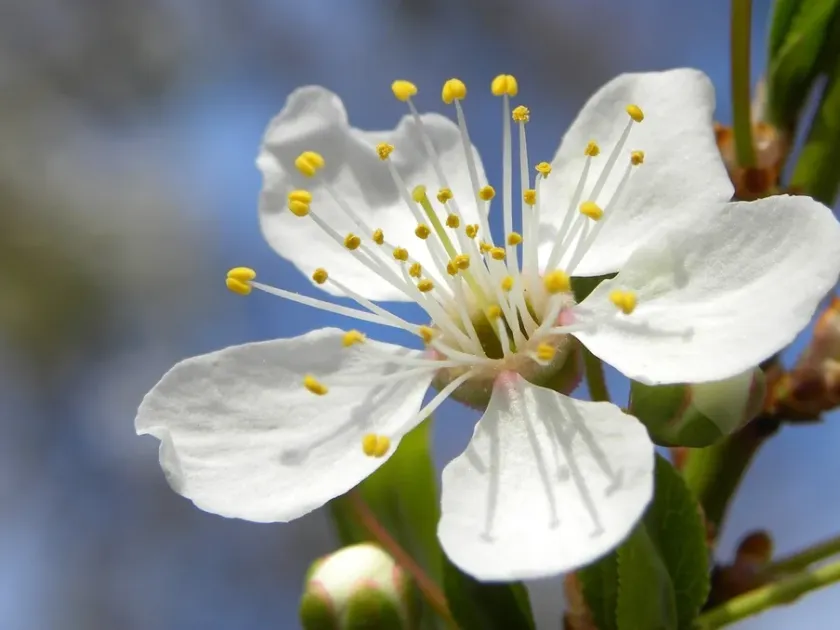
Fontanes' plum (Prunus x fontanesiana) is a natural hybrid belonging to the Rosaceae family. This distinct plant results from a cross between common plum and cherry plum, exhibiting strong vegetative vigor and a characteristic growth habit typical of stone fruit shrubs.
The cultivation of this plant requires well-drained, nutrient-rich soils with a neutral pH level. It thrives in sunny locations that provide adequate warmth for seasonal ripening, while simultaneously requiring protection from harsh winds that can damage young shoots.
Climatically, it is well-suited for temperate regions, showing significant resilience to fluctuations in temperature. Proper soil moisture management is essential, especially during the fruit-setting stage, to ensure high-quality growth and development.
Agrotechnical practices focus on periodic pruning to maintain structural integrity and remove deadwood, which encourages better airflow and light penetration. Additionally, organic matter should be added to the soil annually to sustain tree health and boost metabolic activity.
Economically, the species is valued for ornamental purposes, land stabilization, and as a rootstock for various cultivars. Its ability to tolerate diverse environments makes it a versatile choice for both conservation projects and private orchard planting.
Main diseases and pests
The primary threats to this cultivar include fungal pathogens, such as shot hole disease and brown rot, which tend to flourish in high-humidity environments. Preventive strategies involve maintaining canopy space and avoiding overhead irrigation where possible.
Common insect pests, including aphids and fruit moths, can impact the harvest yield if left unmanaged. Regular monitoring and the application of integrated pest management practices are recommended to protect the tree throughout the growing season.