
Cherry plum hybrid
(Prunus salicina x P. americana) x P. pumila L. var. besseyi
Description
Growing requirements
The cherry plum hybrid belongs to the Rosaceae family and is an intergeneric cross between the plum or cherry plum and the sand cherry. The plant is characterized by high adaptability to various climatic conditions, demonstrating exceptional winter hardiness, which allows it to be grown in regions with harsh winters.
For successful growth and full fruiting, the crop requires well-lit areas protected from cold winds. It prefers light, loamy, or sandy-loam soils with a neutral pH level. It is important to avoid moisture stagnation, so creating high-quality drainage is an essential condition when dealing with heavy clay soils.
The root system of the hybrid is quite powerful but superficial, which makes the plant sensitive to drought during the first few years of growth. During hot periods, it is recommended to organize regular but moderate watering, avoiding waterlogging of the trunk circle, as this can lead to rotting of the root collar.
To ensure stable cross-pollination, it is necessary to plant several varieties of the cherry plum hybrid simultaneously in the garden. This is a key agrotechnical practice, as most hybrids are self-sterile or partially self-fertile, which critically affects the volume of the future harvest.
Fertilizers are applied in stages: nitrogen fertilizers are preferred in the spring to stimulate vegetation, while phosphorus-potassium complexes are used in the second half of the summer. This strengthens the wood and prepares the plant for the winter period, increasing the tree's overall immunity.
Yield
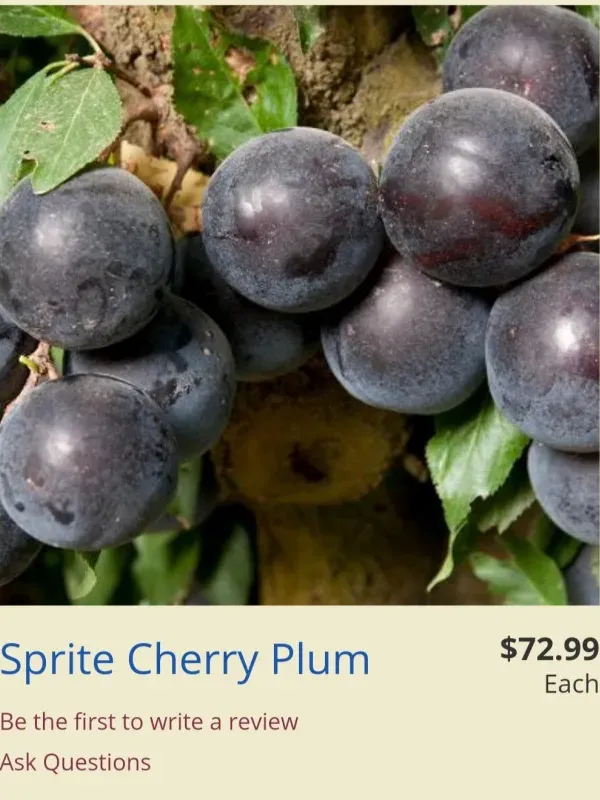
Fruiting of the cherry plum hybrid begins quite early, often as early as the second or third year after planting the sapling. The yield of the crop is considered consistently high, while the fruits are distinguished by their large size, juiciness, and distinct dessert flavor.
Main diseases and pests
Despite its high resistance, the crop is susceptible to fungal diseases such as shot-hole disease and brown rot. Prevention includes early spring treatment with copper-containing fungicides, as well as regular sanitary pruning of affected branches.
Among pests, the plum fruit moth and aphids pose the greatest threat. Control measures include the timely installation of trapping belts and the use of insecticides during the active growing season according to the instructions.
Harvesting
Harvesting is carried out as the fruits ripen, which is often a staggered process. Berries are picked carefully, trying not to damage the stalk if long-term storage or transportation of the produce is planned.