
Smooth-pit plum
Prunus mira Koehne
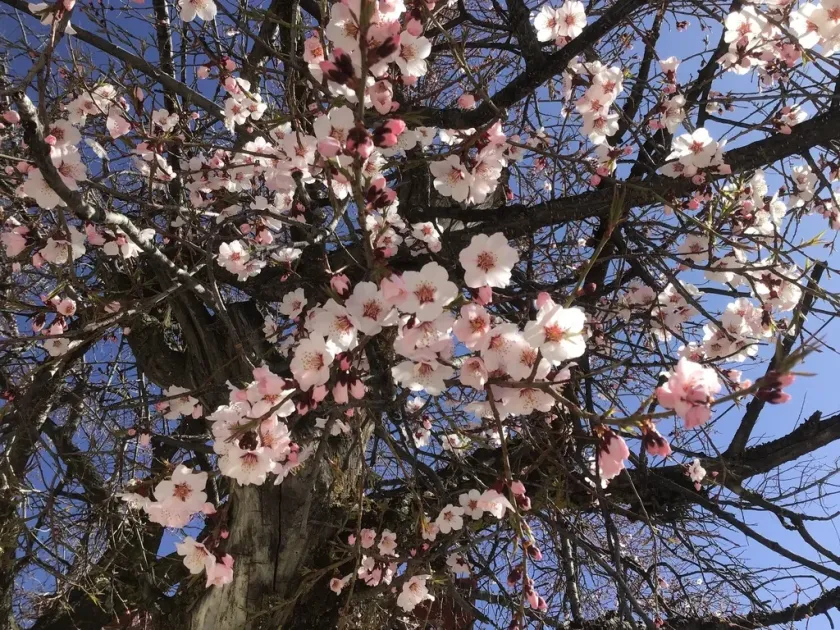
Description
Growing requirements
The Smooth-pit plum (Prunus mira) is a unique deciduous tree belonging to the Rosaceae family. It is distinct for its biological adaptation to high-altitude environments, making it a subject of interest for pomologists.
Originating from the mountainous regions of Tibet and Western China, this species is well-adapted to cool climates and significant diurnal temperature variations. This geographical history contributes to its hardiness.
To cultivate Prunus mira successfully, growers must ensure well-drained, fertile soil conditions. The plant is particularly sensitive to waterlogged sites, which can lead to root system degradation and poor physiological health.
The tree requires a site with full sun exposure to promote healthy development and fruit maturation. Providing a wind-sheltered location helps in protecting the blossoms during the early spring flowering period.
Standard agricultural practices for this crop include periodic pruning to manage canopy density and encourage fruit-bearing wood. Fertilizer application should be adjusted based on soil nutrient testing and tree age.
Main diseases and pests
Typical threats include fungal pathogens like brown rot and shot-hole disease, which are common issues for most stone fruit species. Regular inspection of branches and foliage is essential for early diagnosis.
Pest management focuses on controlling aphids and plum curculio, which can significantly damage fruit yields. Utilizing pheromone traps and biological insecticides is recommended as part of an integrated pest management strategy.