
Fuji cherry
Prunus incisa Thunb.
Description
Growing requirements
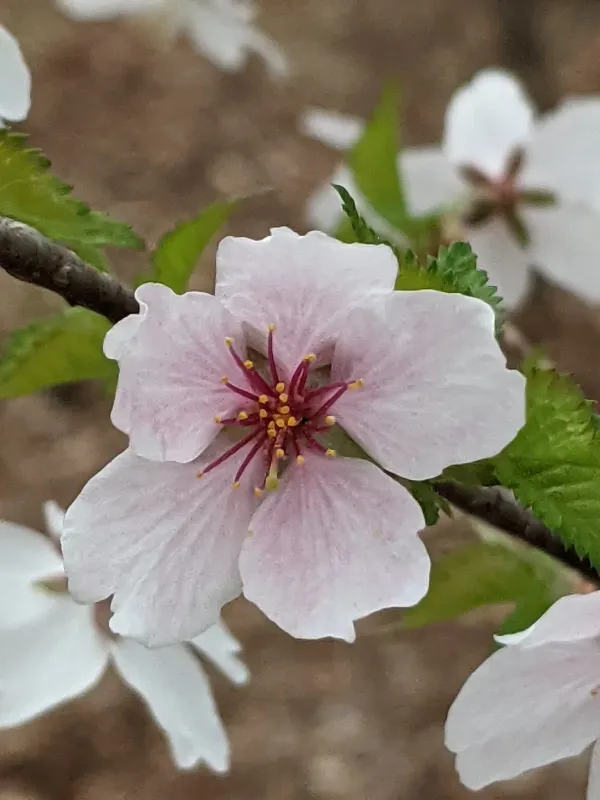
The Fuji cherry (Prunus incisa), a member of the Rosaceae family, is a deciduous shrub or small tree native to the mountainous regions of Japan. It is highly valued in horticulture for its exceptional hardiness and prolific, delicate white-to-pink blossoms that appear early in the season.
For optimal growth, this crop requires well-drained, fertile soil with a slightly acidic to neutral pH level. It is essential to ensure that the site is not prone to waterlogging, as the root system of Prunus incisa is highly sensitive to moisture saturation which may lead to root rot.
The culture thrives in locations that receive full sun, although it can tolerate partial shade in regions with intense summer heat. Proper light exposure is critical for the development of dense foliage and for ensuring the tree reaches its full blooming potential in subsequent years.
Agrotechnical maintenance includes regular watering during dry spells and the application of balanced fertilizers during the early vegetative period. Mulching the root zone is highly recommended to regulate soil temperature and prevent the growth of competitive weed species around the base.
In terms of economic and landscaping use, the Fuji cherry is widely utilized as an ornamental specimen in gardens and urban parks. It is particularly prized in the art of bonsai due to its naturally small leaves and the ease with which it can be shaped through pruning and wire training.
Main diseases and pests
Common diseases affecting this species include powdery mildew and bacterial leaf spot. Managing these conditions involves strict sanitation, such as the removal and destruction of infected leaf litter and twigs, alongside the application of preventative fungicides during the spring months.
Pest management should focus on monitoring for aphids, scale insects, and spider mites, which can cause significant stress to the tree. Integrated pest management strategies, involving both biological controls and targeted chemical treatments, are recommended to keep the tree healthy and aesthetically pleasing.