
Felted grey cherry
Prunus incana x Prunus tomentosa
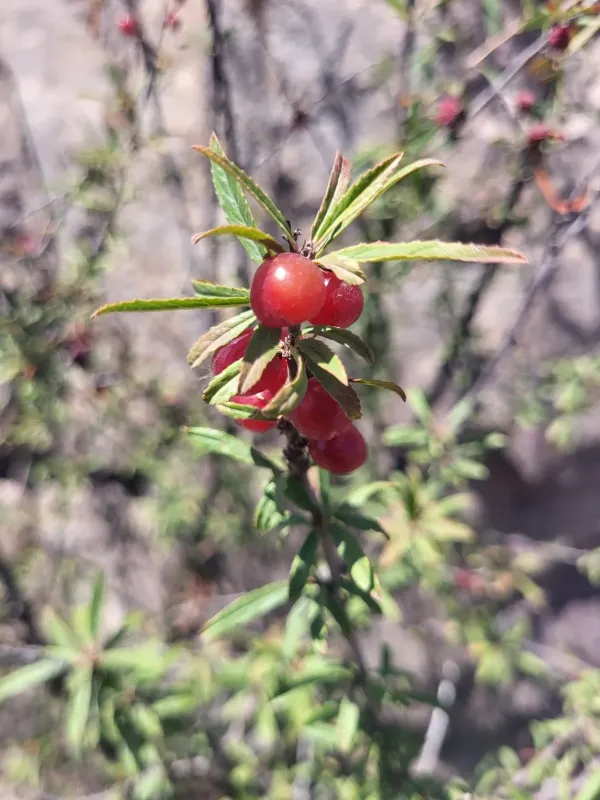
Description
Growing requirements
The felted grey cherry (Prunus incana x Prunus tomentosa) is a unique interspecific hybrid that combines the rugged durability of the grey cherry with the ornamental and fruit-bearing qualities of the felted cherry. It belongs to the Rosaceae family and is highly regarded in temperate climate horticulture.
This hybrid is renowned for its exceptional winter hardiness, allowing it to thrive in regions where traditional stone fruits might suffer from severe cold. It is well-adapted to fluctuating spring temperatures, making it a reliable crop for home gardens.
Optimal growth requires a site with full sun exposure and well-draining soil. These trees do not tolerate waterlogged conditions, so ensuring that the soil is light and porous is essential to prevent root rot and ensure long-term plant health.
Cultural practices should include annual pruning to maintain a manageable shape and encourage airflow within the canopy. This prevents the branches from becoming overly dense, which is a common characteristic of this hybrid, and aids in overall plant vigor.
Fertilization should be balanced, focusing on organic matter application in the spring. Consistent soil moisture during the fruit development stage significantly improves the size and sugar content of the berries, which is vital for both fresh consumption and processing.
Main diseases and pests
Monilinia blossom blight is a primary fungal concern for this hybrid, especially during damp spring conditions. It attacks flowers and new shoots, which can lead to significant dieback if not managed with proactive fungicide treatments before the blooming season starts.
Coccomyces leaf spot is another prevalent issue that causes premature leaf senescence and weakens the tree's overall immune system. Good sanitation, such as raking up and destroying fallen leaves in autumn, is a fundamental preventative measure against this pathogen.
Pests such as the cherry fruit fly can be detrimental to the harvest. The larvae feed inside the fruit, causing rot and rendering the berries unusable, which necessitates the use of pheromone traps or timely insecticide applications to protect the developing crop.
Aphids are frequent visitors that feed on succulent new growth. While small colonies are manageable, large outbreaks can severely stunt shoot growth, making regular monitoring of the foliage tips an important task for the gardener throughout the season.
Spider mites can become a nuisance during hot and dry spells, sucking sap from the leaves and causing a bronzed appearance. Maintaining adequate soil moisture and encouraging natural predator populations are key strategies for sustainable pest control.