
Dwarf cherry
Prunus fruticosa x Prunus serrulata
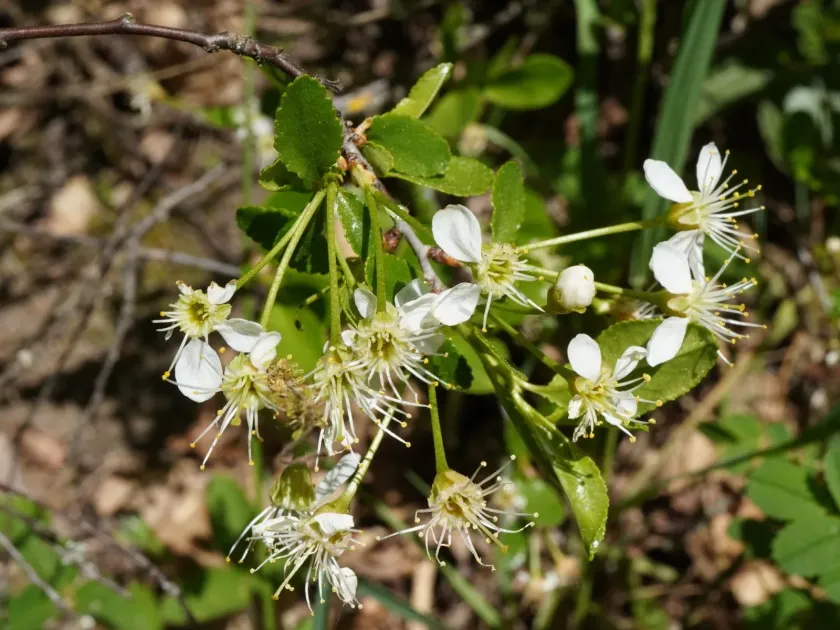
Description
Sowing dates
Dwarf cherry planting should be conducted in early spring, before active sap flow begins, or in early autumn, at least one month before the onset of permanent frost. This timeframe allows the root system to establish itself in the soil before winter dormancy.
For spring planting, the end of April is considered optimal once the soil has warmed to a sufficient depth. Autumn planting should be carried out in September to ensure the plant settles before the ground freezes.
Choosing an open, sunny location is vital for this species. Dwarf cherry is highly demanding of sunlight; shading by other trees or buildings will significantly reduce fruit set and overall plant health.
Spacings between shrubs should be at least 2-3 meters. This distance accounts for the plant's tendency to produce root suckers and ensures enough space for adequate air circulation, which is crucial for preventing fungal outbreaks.
Preparing the planting pit with organic matter and balanced mineral fertilizers is recommended. Ensure the root collar is placed at soil level to prevent moisture-related rot and ensure healthy growth of the shrub.
Growing requirements
The dwarf cherry is a member of the Rosaceae family, well-known for its exceptional winter hardiness and drought tolerance. Native to the steppe and forest-steppe zones, it is highly adapted to harsh environmental conditions.
The plant thrives in well-drained, light sandy loam or loamy soils. While not highly demanding regarding soil fertility, it strictly requires protection against waterlogging, which can be fatal to the root system.
This species is well-suited for regions with significant temperature fluctuations and strong winds. It does not require winter protection, as it is naturally evolved to survive in extreme continental climates.
Regular formative pruning is an essential maintenance task. Without it, the bush tends to become overly dense, leading to smaller fruit size and an increased risk of disease due to poor airflow within the canopy.
Maintaining a weed-free zone around the base and consistent mulching helps conserve soil moisture during the hot summer months, protecting the root system from excessive heat stress.
Yield
Yield capacity of the dwarf cherry depends on the variety and local climate. Generally, a mature bush can produce between 5 and 12 kilograms of fruit per season, making it a productive addition to any orchard.
Plants typically begin to bear fruit in their 3rd or 4th year. The species is known for prolific flowering, but cross-pollination is often necessary; planting multiple varieties is a good strategy to maximize yield.
The fruits have a sharp, acidic flavor profile, making them excellent for culinary processing, including jams, jellies, juices, and canning. They retain their quality well when frozen for later use.
To maintain high productivity over the long term, regular rejuvenation pruning is necessary. This practice replaces older, less fruitful branches with vigorous new growth, ensuring steady harvests for many years.
Harvest volume can be influenced by the presence of pollinators in the garden. Encouraging beneficial insects and providing a mix of varieties will lead to better fruit set and overall healthier production.
Main diseases and pests
Coccomyces leaf spot is one of the most significant threats, causing premature leaf drop and weakening the shrub significantly. It spreads rapidly in warm, humid weather conditions throughout the summer.
Monilinia (brown rot) frequently affects blossoms and young shoots during wet springs. The infection causes a scorched appearance, which not only ruins the current season's yield but also damages the structure of the bush.
The cherry fruit fly is a major pest that targets the developing fruit. Larvae consume the pulp, rendering the cherries unsuitable for fresh consumption and leading to economic losses for orchardists.
Aphids often target new shoots, sucking plant sap and causing leaf curling. While directly damaging to growth, they also encourage the spread of secondary issues like sooty mold.
- Apply fungicidal sprays during critical growth stages.
- Promptly remove and destroy infected branches to limit spread.
- Use pheromone traps for monitoring and controlling pest populations.
- Maintain garden hygiene by removing fallen leaves and fruit.
Harvesting
Harvesting should occur once the fruits have achieved their full, variety-specific coloration and a firm texture. Unlike some fruits, cherries do not continue to ripen significantly after being picked.
For fresh market quality or long-distance transport, cherries should be harvested with their stems attached (dry stem detachment). This prevents the loss of juice and slows down the onset of decay.
Harvesting should be performed during dry weather. Wet fruits are highly susceptible to mold growth, so if harvest occurs after rain, immediate processing is highly recommended to preserve the yield.
Use shallow containers rather than deep buckets to prevent fruit bruising. Good ventilation is essential during storage and transport to keep the cherries in optimal condition for as long as possible.
Post-harvest, the crop should be moved to a cool location immediately. Dwarf cherries store reasonably well under refrigeration, allowing for flexibility in their final use or sale.