
Common plum
Prunus domestica x (Prunus cerasifera x Prunus persica)
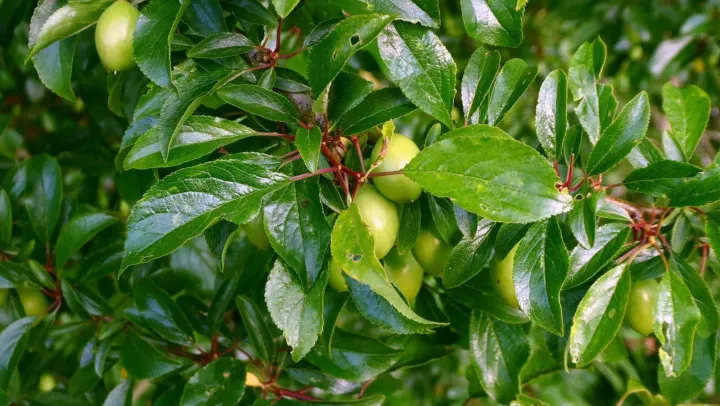
Description
Growing requirements
The common plum (Prunus domestica), a member of the Rosaceae family, is a widely cultivated fruit tree of hybrid origin. It thrives in temperate regions, requiring plenty of sunlight and protection from strong, cold winds that can damage the blossoms during the early spring period.
Optimal growth is achieved on deep, well-drained loamy soils with a neutral pH level. Proper site selection is crucial, as the trees are sensitive to waterlogging, which often leads to root rot and significant decline in tree vigor. Adequate soil aeration is essential for long-term productivity.
Climate requirements include a sufficient chilling period during winter for proper dormancy break, followed by a warm, frost-free growing season. Irrigation management is vital, particularly during the critical stages of flowering and fruit enlargement, to ensure large and juicy produce.
Cultural practices include systematic pruning to maintain an open canopy, which improves light penetration and airflow, thereby reducing the risk of fungal infections. Balanced fertilization, focusing on nitrogen in early spring and potassium during fruit development, supports tree health.
Modern orchards often employ density planting and specialized training systems to maximize yields and improve harvesting efficiency. Proper soil management, including mulching and cover cropping, helps in maintaining moisture levels and soil structure throughout the growing year.
Yield
The yield of a plum orchard is heavily influenced by cultivar selection, tree age, and climate conditions. High-yielding varieties, when managed with precision agriculture techniques, can produce significant tonnage per hectare, making them a profitable commodity for both fresh markets and processing.
Main diseases and pests
The crop is susceptible to various fungal pathogens, most notably Monilinia (brown rot), which affects both flowers and fruits, and Plum Pox Virus, a severe threat to commercial plantations. Integrated pest management strategies are essential to mitigate these risks effectively.
Common insect pests include the plum fruit moth, aphids, and plum curculio. Regular monitoring and the application of biological or chemical controls are necessary to prevent crop loss. Maintaining orchard sanitation by removing mummified fruits helps to reduce the inoculum load for the next season.
Harvesting
Plums are harvested manually or mechanically, depending on the scale of production and the intended use of the fruit. Harvesting at the correct maturity stage ensures optimal flavor and shelf life, while handling must be careful to preserve the natural wax bloom and prevent bruising.