
Dawyck cherry
Prunus dawyckensis
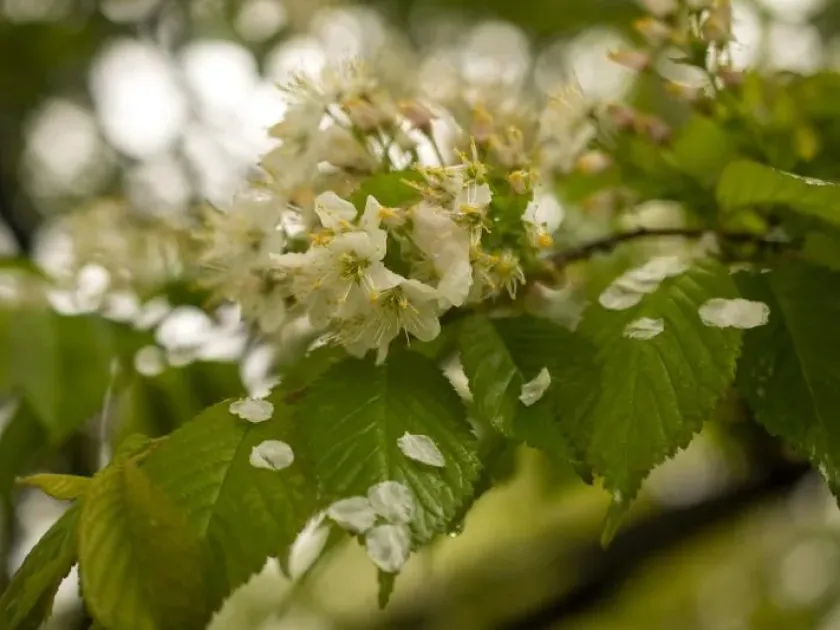
Description
Growing requirements
The Dawyck cherry (Prunus dawyckensis) is a member of the Rosaceae family, recognized primarily as an ornamental shrub or small tree. It is a distinct botanical species within the genus Prunus, valued for its elegant stature and growth habit in modern horticultural applications.
Originating from regions in Eastern Asia, this species has adapted to various temperate climates. Its natural habitat is characterized by mountainous conditions, which contribute to its inherent hardiness and ability to thrive in cool to moderate temperature zones.
This culture requires well-drained, nutrient-rich soils to reach its full potential. Loamy soil textures that maintain adequate moisture without becoming waterlogged are ideal. Soil pH should ideally be neutral to slightly acidic to support optimal nutrient uptake and root development.
Exposure to full sunlight is essential for the Dawyck cherry to exhibit its best foliage color and blossom density. Planting in sheltered positions, such as along a south-facing wall or in a mixed border, can protect the plant from harsh winds and late spring frosts.
Agrotechnical maintenance focuses on maintaining a clean root zone and providing periodic pruning. Removing dead or crossing branches in late winter helps maintain the structural integrity of the plant and encourages fresh growth, ensuring the shrub remains a focal point in the garden.
Main diseases and pests
Common health issues for the Dawyck cherry include susceptibility to fungal infections, such as leaf spot or shoot blight, which can be exacerbated by humid conditions. Proper spacing and airflow between plants are crucial strategies to reduce the incidence of these diseases.
Pest pressures often involve aphids and mites that target new buds and leaves. Integrated pest management practices, including the use of horticultural oils and predator-friendly insecticides, are recommended to maintain plant health without disrupting the surrounding garden ecosystem.