
David's apricot
Prunus davidiana (Carrière) Franch.
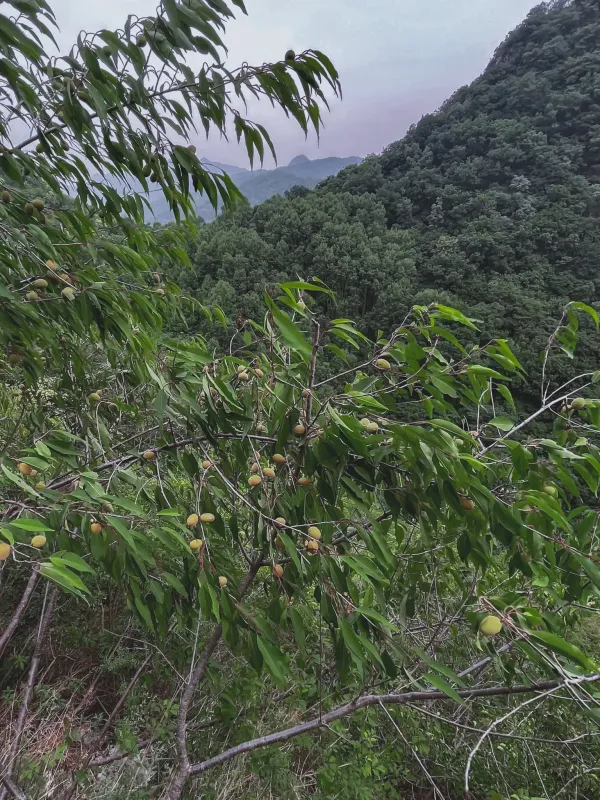
Description
Growing requirements
David's apricot (Prunus davidiana) is a distinctive member of the Rosaceae family, primarily native to the mountainous regions of northern China. It is highly valued for its extreme cold hardiness and early spring ornamental display.
Botanically, it presents as a medium-sized deciduous tree with slender, reddish-brown branches and small, edible but fleshy-poor fruits. The tree is often used as a resilient rootstock for domesticated apricots and peaches.
Regarding climatic requirements, the species thrives in continental climates with cold winters and hot summers. It is remarkably drought-tolerant once established, making it suitable for xeriscaping in suitable hardiness zones.
The tree requires full sun exposure to maintain its vigor and produce a profusion of flowers. While it adapts to a variety of soil types, including alkaline and limestone-heavy soils, excellent drainage is non-negotiable for long-term health.
Standard cultivation involves minimal maintenance compared to commercial fruit trees. Basic pruning is essential during the dormant season to manage crown density and promote healthy air circulation throughout the foliage.
Main diseases and pests
David's apricot is susceptible to typical Prunus pathogens, including Monilinia (brown rot), which can affect blossoms and young shoots during periods of high humidity and rainfall.
Leaf-feeding insects, such as aphids and various larvae, pose a recurring challenge. Integrated pest management strategies should be employed to mitigate damage without harming beneficial pollinators attracted by the early blooms.
Bacterial diseases such as shot-hole blight may appear on foliage. Maintaining tree health through proper nutrition and sanitation is the most effective way to prevent these issues from compromising tree structure.
Root system health should be protected from stagnant water, which invites pathogens like Phytophthora. Ensuring that the planting site is elevated or properly sloped will prevent water accumulation near the root crown.
Regular monitoring during the growing season allows for early detection of potential outbreaks. Removing and destroying infected plant material promptly serves as the primary mechanical control method for these pathogens.