
Sour cherry
Prunus cerasus x Prunus schmittii
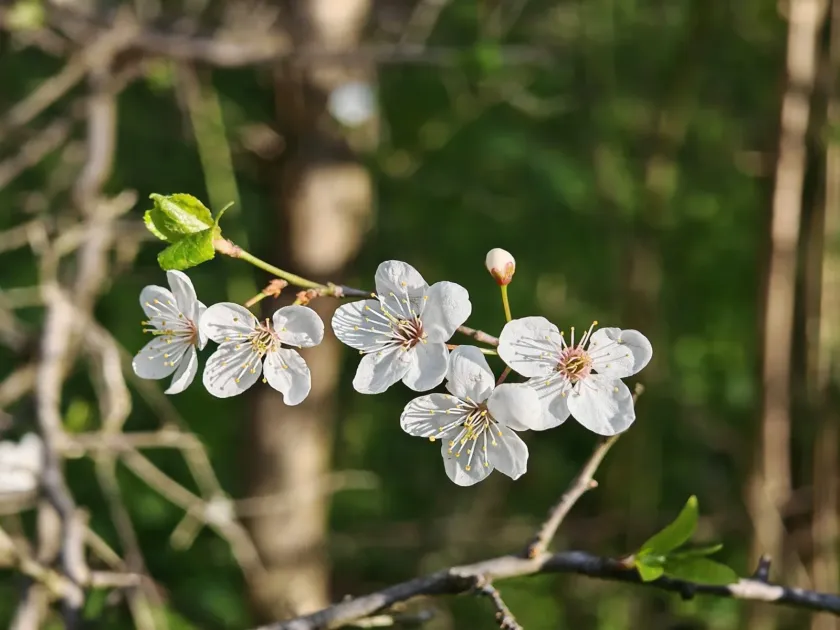
Description
Growing requirements
The sour cherry (Prunus cerasus) is a deciduous tree belonging to the Rosaceae family. It is widely cultivated for its tart fruit, which is highly valued for culinary processing, including baking, preserving, and beverage production on a global scale.
Cultivation requirements involve selecting well-drained, fertile soil with a pH level near neutral. Poor drainage is detrimental to root health, often leading to rot, so proper site preparation and soil conditioning before planting are essential steps for longevity.
The climate preference for sour cherry is temperate, as it requires a specific period of winter chilling to break dormancy and ensure uniform spring flowering. Protecting the trees from late spring frosts is a primary management goal in commercial orchards.
Agricultural techniques include a regular pruning program to remove dead wood and open the crown for better light penetration. Pruning also helps maintain tree structure, preventing breakage during heavy crop years and facilitating easier harvesting.
Fertilization regimes must be balanced to promote both vegetative growth and fruit quality. Nitrogen applications in early spring should be carefully monitored to ensure they do not encourage overly succulent growth that might be susceptible to winter injury.
Main diseases and pests
Major diseases include cherry leaf spot (Blumeriella jaapii) and brown rot (Monilinia spp.), which can devastate an entire harvest if left uncontrolled. Orchards require a strict spray schedule during wet weather conditions to mitigate the rapid spread of fungal spores.
Pest management is focused on controlling the cherry fruit fly and various aphids. Implementing integrated pest management strategies, such as biological control and timely pheromone trapping, helps manage populations without excessive chemical usage.