
Hybrid cherry
Prunus cerasus L. x Prunus maackii Rupr. x Prunus serrulata Lindl. var. lannesiana (Carrière) Makino
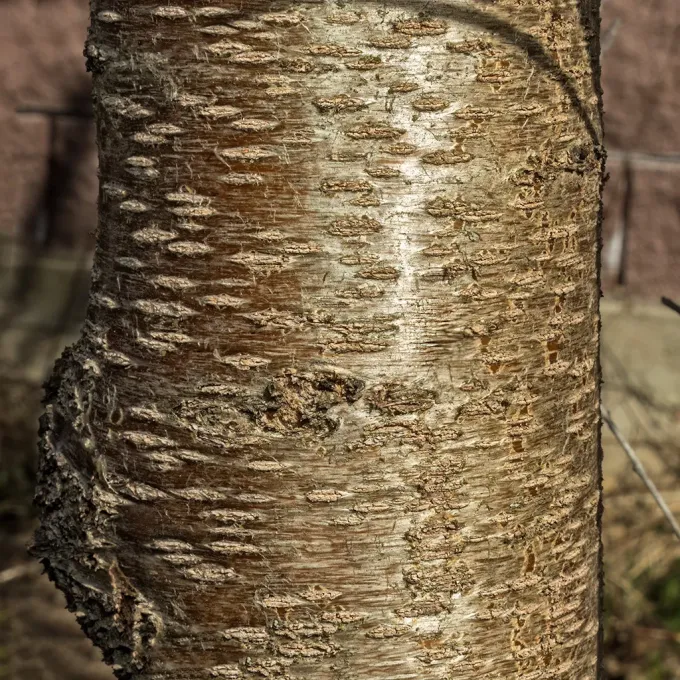
Description
Growing requirements
The hybrid cherry (Prunus cerasus x P. maackii x P. serrulata) is a complex interspecific plant belonging to the Rosaceae family, created to combine the resilience of Amur chokecherry with the fruit quality of sweet and sour cherries.
Cultivation requires locations with ample direct sunlight and well-drained, nutrient-rich soil. The plant thrives best in loamy substrates with a balanced acidity level to ensure optimal mineral uptake.
These hybrids are sensitive to waterlogging, necessitating proper drainage systems to protect the root crown from fungal decay during the spring thaw or heavy rainfall periods.
Standard agronomic practices include consistent pruning to maintain a structured canopy and annual fertilization focused on nitrogen in early spring and potassium in late autumn.
Due to its high ornamental value and reliable fruiting, the hybrid cherry is increasingly popular in temperate climate zones, bridging the gap between decorative sakura and orchard crops.
Main diseases and pests
The most significant pathological threats to hybrid cherries are fungal infections such as shot hole disease and brown rot, which can cause severe defoliation and branch dieback.
Insect pests such as the cherry fruit fly and various species of aphids pose a serious challenge by damaging fruit quality and hindering the development of tender young growth.
Integrated pest management, including pheromone traps and biological control agents, is recommended to keep pest populations below the economic injury level.
Sanitation practices, specifically the removal of mummified fruits and diseased branches, are vital to preventing the overwintering of pathogens within the canopy.
Using certified disease-resistant rootstocks and maintaining optimal spacing between trees are primary strategies for ensuring long-term health and productivity in commercial orchards.