
Tkemali
Prunus cerasifera x Prunus dulcis
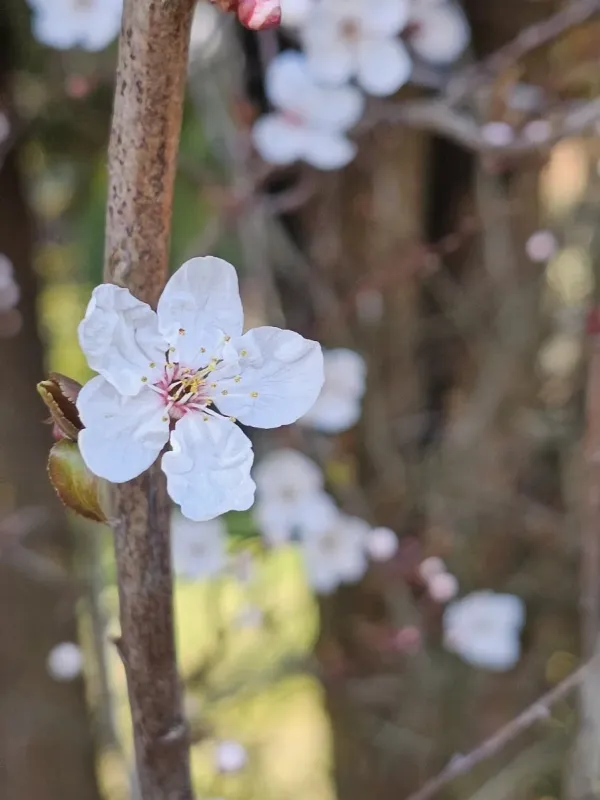
Description
Growing requirements
Tkemali, botanically classified under the Prunus genus within the Rosaceae family, is a vigorous fruit-bearing tree known for its specific acidic flavor profile. It serves as an essential agricultural crop in regions characterized by temperate climatic conditions.
The crop thrives in well-lit locations that receive direct sunlight throughout the day. Ideal soil conditions include fertile, loam-based textures with a neutral pH, ensuring that the root system has both adequate moisture and effective drainage.
Agricultural management requires consistent pruning to maintain canopy health and productivity. Proper spacing between trees is crucial to promote air circulation, which helps reduce the risk of humidity-related pathogens in the orchard.
Watering requirements are highest during the fruit development phase. While the tree is drought-tolerant once established, supplemental irrigation during extreme dry spells significantly improves both the quality and size of the fruits.
The primary economic value of Tkemali lies in its processing utility. The fruit is highly valued for producing traditional tangy sauces, being rich in organic acids, essential minerals, and pectin, which adds value to commercial orchard enterprises.
Yield
A well-maintained Tkemali tree can produce a substantial yield, typically ranging from 30 to 70 kilograms depending on the rootstock and cultivation intensity. Optimal site conditions consistently result in higher yearly outputs.
Main diseases and pests
The crop is susceptible to several common fungal infections, most notably Monilia (brown rot) and Shothole disease. Regular application of copper-based fungicides is recommended for early spring management.
Pest pressure often comes from plum aphids and fruit borers. Integrated Pest Management (IPM) strategies, including the use of pheromone traps and biological controls, are highly effective in protecting the orchard from these insects.
Harvesting
Harvesting should occur when the fruits reach their full color but remain firm to the touch. Careful hand-picking is advised to preserve the natural wax layer on the skin, which significantly extends the shelf life of the harvest.