
Tkemali
Prunus cerasifera x Prunus domestica
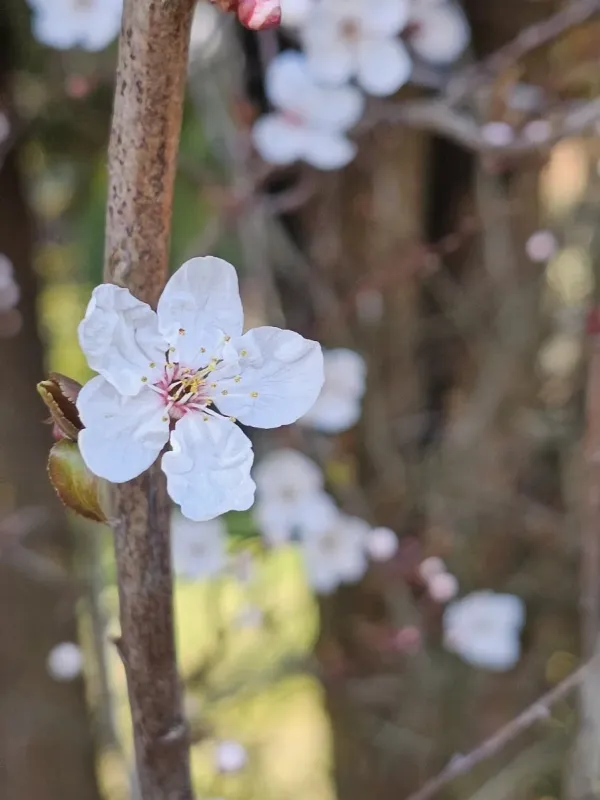
Description
Sowing dates
Tkemali, commonly known as cherry plum, should be planted in early spring before the buds break or in autumn during the plant's dormancy period. Early spring is generally preferred in colder regions to ensure successful establishment.
Dig a planting hole approximately 60x60x60 cm. Enrich the soil with organic matter such as compost or well-rotted manure to provide essential nutrients for the young tree during its initial growth phase.
Maintain a distance of 3 to 4 meters between trees. This spacing is crucial for canopy development and provides adequate sunlight exposure, which is necessary for fruit maturation and disease prevention.
When planting, ensure the root collar is aligned with the ground level. Burying it too deep may cause rot, while planting too shallow can lead to the tree drying out during summer heat.
Propagating Tkemali is usually done via grafting onto vigorous rootstocks, which helps maintain the desired characteristics of the cultivar and improves resistance to local environmental stresses.
Growing requirements
Tkemali requires a sunny location to thrive. Fruit quality and sugar content are directly linked to the number of daylight hours the tree receives throughout the growing season.
The ideal soil for cherry plum is a well-drained, fertile loam with a neutral or slightly alkaline pH. Avoid planting in areas where water pools, as standing water can damage the root system.
The species is known for its adaptability to various temperate climates. However, protection from harsh, dry winds in winter and late spring frosts can significantly boost the overall tree health.
Regular maintenance includes shallow cultivation of the soil around the tree and moderate fertilization. Balanced nutrient input during the pre-flowering stage supports strong growth and development.
Pruning is essential for maintaining a healthy structure. Removing crossing or diseased branches improves airflow through the crown, reducing the risk of fungal infections such as brown rot.
Yield
Trees typically begin to bear fruit 3 to 4 years after planting. As the tree matures, the yields increase significantly, providing a consistent supply of fruit for culinary use.
A mature, well-maintained Tkemali tree can produce between 30 and 60 kg of fruit per season. Actual yields depend on local soil fertility, the specific variety, and weather conditions during pollination.
Since most Tkemali varieties are cross-pollinating, planting several trees with overlapping bloom periods is recommended to maximize the set of fruit across the entire orchard.
The fruit, known for its distinct tart-sweet flavor, is highly prized for making traditional sauces, jams, and refreshing beverages, making it a valuable addition to any home garden.
Proper harvest management and annual pruning ensure the tree remains productive for many years, providing a reliable source of nutrition and income for the farm or household.
Main diseases and pests
Common diseases affecting Tkemali include moniliosis and shot-hole disease. These fungi can cause significant damage to leaves, shoots, and fruit, requiring proactive management through fungicides.
Pests such as the plum fruit moth are a major threat. Their larvae tunnel into the developing fruit, leading to premature drop and spoilage of the crop before it reaches full maturity.
Integrated pest management, including the use of pheromone traps and removing fallen fruit, is highly effective. Cleanliness around the base of the tree is critical to minimize overwintering pests.
Preventative care, such as thinning the fruit and ensuring proper tree spacing, plays a major role in keeping trees healthy and resilient against seasonal outbreaks of insects and disease.
- Regular inspection of the bark and leaves for signs of infestation.
- Application of approved treatments during the dormant and growing phases.
- Proper disposal of infected plant material to prevent the spread of pathogens.
Harvesting
Harvesting Tkemali should be done progressively as the fruit ripens. Since ripening is often uneven, multiple pickings over several weeks may be necessary to collect the entire harvest.
For culinary applications like sauce production, fruit can be picked at a slightly firmer stage. For fresh consumption, allowing the fruit to reach full color and softness is ideal for flavor.
Always pick the fruit in dry weather to prevent moisture buildup, which can lead to quick decay. Handle the delicate fruit with care to avoid bruising, using padded containers for collection.
Cherry plums have a relatively short shelf life at room temperature. For short-term storage, keep the fruit in a cool, ventilated place or refrigerate to maintain quality for a few extra days.
Efficient harvesting prevents the fruit from falling and rotting on the ground, which is essential to reduce the attractiveness of the orchard area to pests and unwanted wildlife.