
Tkemali
Prunus cerasifera x Prunus davidiana
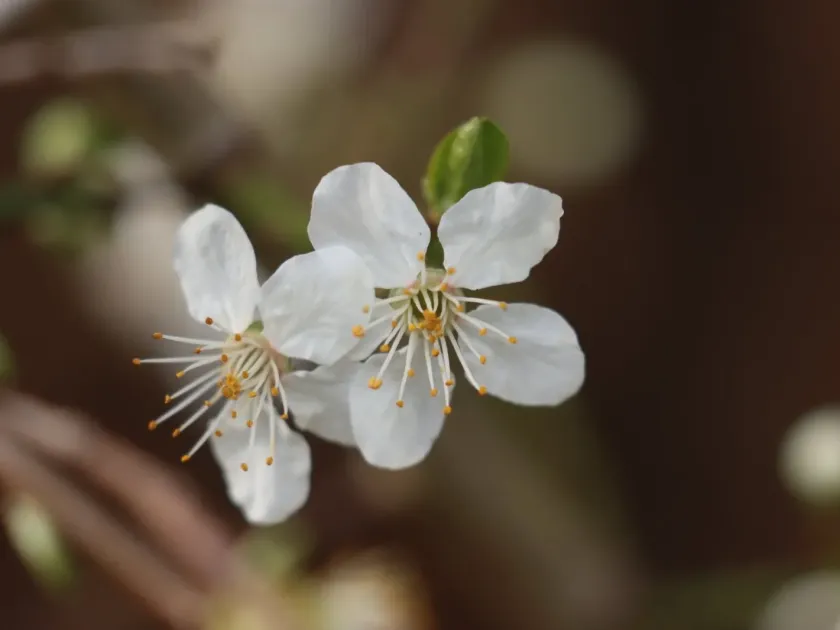
Description
Growing requirements
Tkemali (Prunus cerasifera) is a species of cherry plum belonging to the Rosaceae family. It is a resilient deciduous tree known for its strong growth, adaptability, and ability to thrive in various temperate climates.
Native to the mountainous regions of the Caucasus, Tkemali has been cultivated for centuries. The tree prefers sunny, open locations, though it exhibits significant tolerance to different environmental stressors, making it an excellent choice for home orchards.
The crop performs best in well-drained, fertile loam or sandy soils with a neutral pH level. Proper site selection is crucial to ensure that water does not pool around the roots, as excessive moisture can lead to root rot and reduced tree health.
Cultivation requires regular pruning to manage the canopy, which promotes better air circulation and sunlight penetration. This practice is essential for preventing disease and maximizing the production of healthy, high-quality fruit.
Beyond its culinary value, Tkemali is highly regarded for its early maturation and high nutritional content. It is rich in natural pectins and organic acids, which are highly valued in both home kitchens and professional food processing industries.
Main diseases and pests
The primary threats to Tkemali orchards include fungal pathogens such as Monilinia (brown rot) and Cladosporium. These diseases thrive in humid conditions and can severely impact both the quality of the fruit and the overall vigor of the tree.
Pests like the plum fruit moth and aphids are common challenges. These insects target the developing fruit and foliage, potentially leading to significant crop losses if left unmanaged during the early stages of the growing season.
Preventative strategies are centered on sanitation, including the removal of dead or infected branches and the clearance of fallen leaves. Maintaining a clean orchard floor reduces the overwintering sites for both fungal spores and insect larvae.
Chemical control should be applied judiciously, utilizing IPM (Integrated Pest Management) strategies. By monitoring pest levels regularly, growers can apply targeted treatments only when necessary, preserving beneficial insect populations.
Overall orchard health is supported by a balanced fertilization program and consistent watering. Strong, well-nourished trees demonstrate a significantly higher natural resistance to disease pressure and environmental stresses.
Harvesting
Harvesting Tkemali is a delicate process as the fruits often ripen unevenly. Harvesting is typically carried out by hand to maintain the integrity of the fruit’s skin, ensuring it remains suitable for processing into sauces or preserves.
For the best culinary results, fruit should be gathered when it reaches technical maturity. At this stage, the fruit displays its characteristic color and a firm texture, which is ideal for creating the traditional sour-sweet sauce.
Immediate post-harvest cooling is recommended to maintain quality. Placing the fruit in ventilated crates and moving them to a cool, shaded environment prevents premature softening and extends the storage life significantly.
A mature, well-maintained Tkemali tree can produce substantial yields, often ranging from 30 to 50 kilograms per season. Proper canopy management ensures that even the inner branches receive enough energy to support a heavy crop.
Storage of the fresh fruit requires consistent temperature control. Keeping the harvest at roughly 2 to 4 degrees Celsius is optimal for short-term storage, providing enough time for processing while retaining the fruit's nutritional profile.