
Cherry plum
Prunus cerasifera Ehrh. var. divaricata (Ledeb.) L. H. Bailey
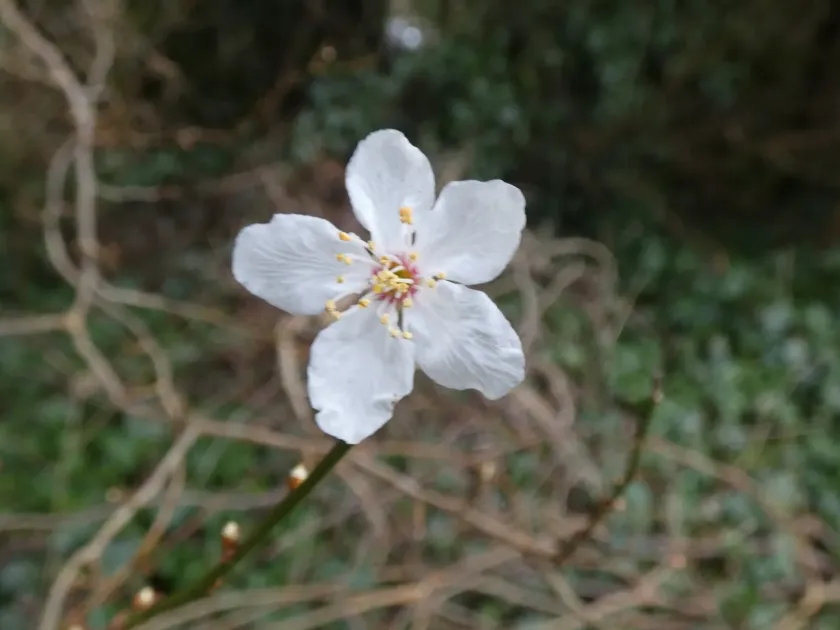
Description
Sowing dates
Planting cherry plum is best performed during the early spring or late autumn, depending on local climate conditions. Ensuring the root system is well-established before the first hard frost is the primary goal.
The planting hole should be spacious, roughly 60-80 cm in width and depth. Adding organic matter like compost at the bottom helps provide essential nutrients to support the young tree's initial development phase.
Spacing is vital for orchard health; trees should be planted 3–4 meters apart. This ensures sufficient air circulation and prevents the spread of fungal diseases that often affect dense, poorly ventilated tree canopies.
After planting, the tree must be watered thoroughly to settle the soil around the roots. Adding a layer of mulch around the base helps retain moisture and inhibits weed growth, which is critical in the first year.
It is important to note that most cherry plum varieties are not self-fertile. To ensure a productive harvest, gardeners should plant at least two different cultivars with matching blooming periods to facilitate cross-pollination.
Growing requirements
Cherry plum, known scientifically as Prunus cerasifera, is a fruit-bearing tree species belonging to the Rosaceae family. It is highly valued for its adaptability and serves as a parent species for many modern plum hybrids.
The tree thrives in well-lit areas with fertile, loose, and well-drained soil. It is particularly tolerant of various soil types, but performs best in loamy or sandy soils with a neutral pH, avoiding areas with stagnant water.
Botanically, it is a tree or shrub that can reach heights of 5 to 10 meters. Its early spring blossoms make it an attractive plant for decorative orchards, while its fruits are highly appreciated for culinary use.
Originating from the Caucasus and Central Asia, the cherry plum has spread widely across temperate and subtropical regions. Its hardiness allows it to survive colder climates, provided the selected variety is appropriately zone-tested.
Beyond fruit production, it is widely utilized in horticulture as a rootstock for other stone fruits. Its strong root system and compatibility with other species make it an excellent choice for grafting commercial stone fruit varieties.
Yield
Cherry plum is renowned for its consistent and high yield potential. Trees typically enter the fruiting stage within 3 to 4 years after planting, with productivity increasing significantly as the tree matures.
An adult tree in peak condition can produce between 30 and 60 kilograms of fruit per season. Regular pruning is essential to maintain this output, as it stimulates new growth where the most productive flower buds reside.
Managing the load is important; during heavy fruiting years, branches may need support to prevent breakage. Thinning out excess fruit can also improve the size and quality of the remaining harvest.
The harvest period typically occurs in mid-to-late summer. Since fruit ripens over several weeks, multiple pickings are often necessary to ensure the best flavor profile for fresh consumption or processing.
Proper nutrient management during the post-harvest period helps the tree store energy for the next growing season, directly impacting the quality and quantity of the following year's crop.
Main diseases and pests
Shot hole disease is a common fungal issue that creates small, dark spots on leaves and fruit. Regular monitoring and the application of appropriate fungicides are necessary to keep the infection under control.
Monilinia blight (brown rot) can severely damage blossoms and twigs, often leading to significant yield loss. Removing infected twigs and maintaining good orchard hygiene are the primary methods of defense.
The plum fruit moth is the most significant pest. Its larvae burrow into the ripening fruit, making them inedible. Integrated pest management, including pheromone traps, is highly recommended for organic control.
Aphids often target new succulent growth in the spring. If left untreated, they can weaken the tree and spread viral diseases, so prompt action with soft insecticides or soap sprays is recommended.
Preventative measures, such as cleaning up leaf litter in autumn and applying dormant oil sprays in early spring, significantly reduce the population of overwintering pests and fungal spores in the orchard.