
Grey felted cherry
Prunus canescens L. x Prunus tomentosa L.
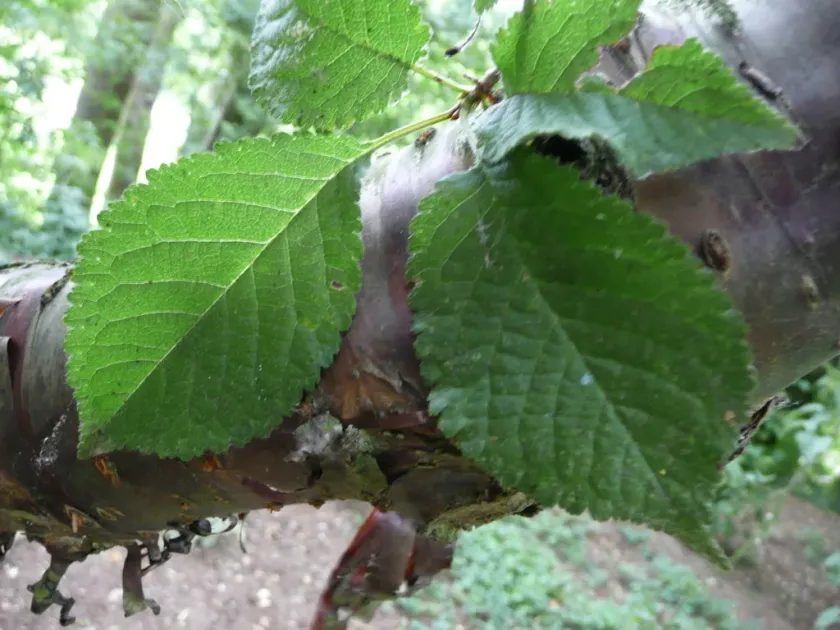
Description
Growing requirements
The grey felted cherry is an interspecific hybrid belonging to the Rosaceae family. The crop is valued for its high adaptability, inherited from the felted cherry (Prunus tomentosa), and its decorative qualities derived from the grey cherry (Prunus canescens).
For successful growth, the plant requires well-lit areas with fertile, light soil. It prefers neutral or slightly alkaline loams and strictly does not tolerate waterlogging in the root zone, which can trigger root rot.
The crop is distinguished by high frost resistance, allowing it to be grown in regions with severe winters. At the same time, the hybrid requires protection from cold winds, so planting in sheltered garden areas or along buildings is recommended.
Agricultural practices include regular soil loosening and mulching of the tree circles. This helps retain moisture and prevents the growth of weeds that could compete with the young sapling for nutrients.
An important requirement is annual sanitary and formative pruning. Removing dry, damaged, or crown-thickening branches promotes better ventilation and illumination, which is critical for the prevention of fungal diseases.
Yield
The yield of this hybrid depends on pollination conditions, as many varieties require the presence of other stone fruit crops on the site for cross-pollination. When agricultural rules are followed, the plant begins to bear fruit 2–3 years after planting.
The fruits of the crop are distinguished by their original taste and attractive appearance, resembling the felted cherry. They have a characteristic pubescence on the skin, which makes them resistant to mechanical damage during transport.
The use of the harvest is diverse: the berries are suitable for both fresh consumption and processing. They make high-quality jam, preserves, compotes, and juices that retain beneficial trace elements and vitamins.
Regular fertilization with mineral and organic fertilizers can significantly increase the quantity and quality of the fruit. Nitrogen fertilizers are applied in the spring to stimulate growth, and phosphorus-potassium fertilizers in the fall to prepare for winter.
The economic value of the crop also lies in its decorative nature: in the spring, the shrub blooms profusely, becoming a true garden ornament. This makes the hybrid promising not only for gardening but also for landscape design.
Main diseases and pests
The main threat to the grey felted cherry is moniliosis, a fungal disease that affects flowers and young shoots. To combat it, timely treatment with fungicides at the beginning of the growing season is necessary.
The plant is also susceptible to coccomycosis, which manifests as spots on the leaves and leads to premature leaf fall. Prevention involves collecting and disposing of fallen leaves, where fungal spores overwinter.
Among pests, the cherry weevil and aphids can cause the most damage. They feed on buds and young ovaries, which can lead to the loss of a significant part of the future harvest if protective measures are not taken.
For effective control of insect populations, systemic insecticides are used. It is important to carry out treatments before the active flowering period begins to avoid the death of pollinating insects necessary for ovary formation.
The general resistance of the hybrid to diseases is higher than that of classic cherry varieties; however, neglecting care rules significantly increases the risk of infestation. Regular inspection of the bushes allows for early detection of problems and timely intervention.