
Prunus canescens × Prunus incisa
Prunus canescens L. x Prunus incisia L.
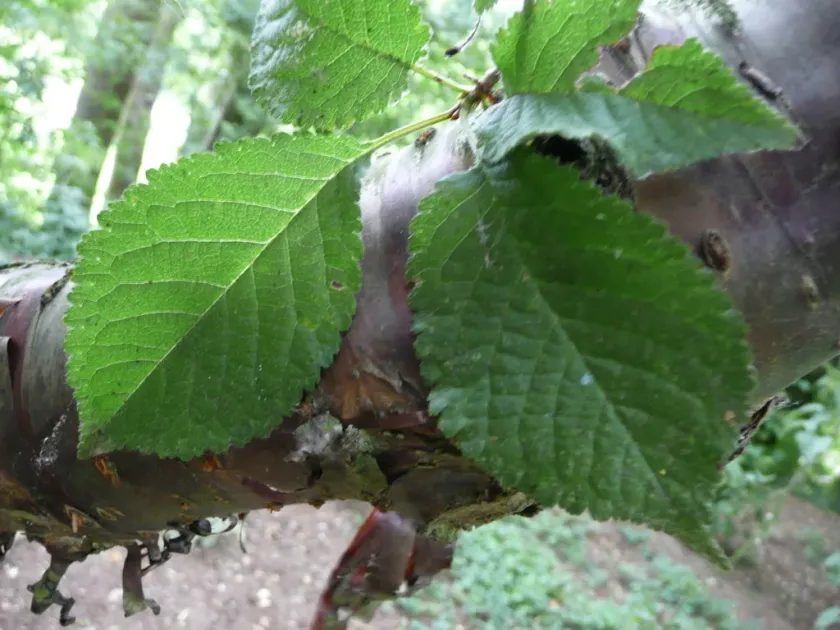
Description
Growing requirements
The hybrid resulting from crossing Prunus canescens and Prunus incisa is a notable member of the Rosaceae family, prized by horticulturists for its distinct foliage and delicate floral display.
This shrub or small tree thrives in full sun exposure, which is essential for maximizing flower production and maintaining compact growth habit. It prefers well-drained, slightly loamy soils that provide a balance of moisture retention and aeration.
When establishing the plant, ensure the site is protected from harsh winds, which can damage the fine branches. The root system is relatively shallow, necessitating consistent moisture levels, especially during the first two growing seasons.
Fertilization should be handled with care, focusing on balanced NPK applications in early spring to encourage healthy vegetative growth without promoting excessive, succulent shoots that are prone to damage.
Routine pruning is vital to keep the plant in good health. By removing dead or crowded inner wood, you improve light penetration and air circulation throughout the canopy, which is key to preventing moisture-related issues.
Main diseases and pests
Like many species within the genus Prunus, this hybrid is susceptible to fungal pathogens such as brown rot and leaf spot, which are often exacerbated by humid, stagnant atmospheric conditions.
Common pests include aphids, scale insects, and occasionally mites. Regular monitoring during the growing season allows for early intervention, preventing localized infestations from becoming widespread problems.
Sanitation plays a crucial role in disease control. Collecting and disposing of fallen leaves and infected fruit is a simple yet highly effective way to reduce the inoculum levels for the following season.
Winter injury can leave the plant vulnerable to bacterial infections. Keeping the bark intact and providing winter protection in colder climates helps maintain the structural integrity of the plant.
When selecting chemical treatments for pests or diseases, always prioritize products that are environmentally friendly and safe for pollinators, ensuring that the health of the entire garden ecosystem is preserved.