
Bessey cherry-myrobalan hybrid
Prunus besseyi x Prunus cerasifera Ehrh
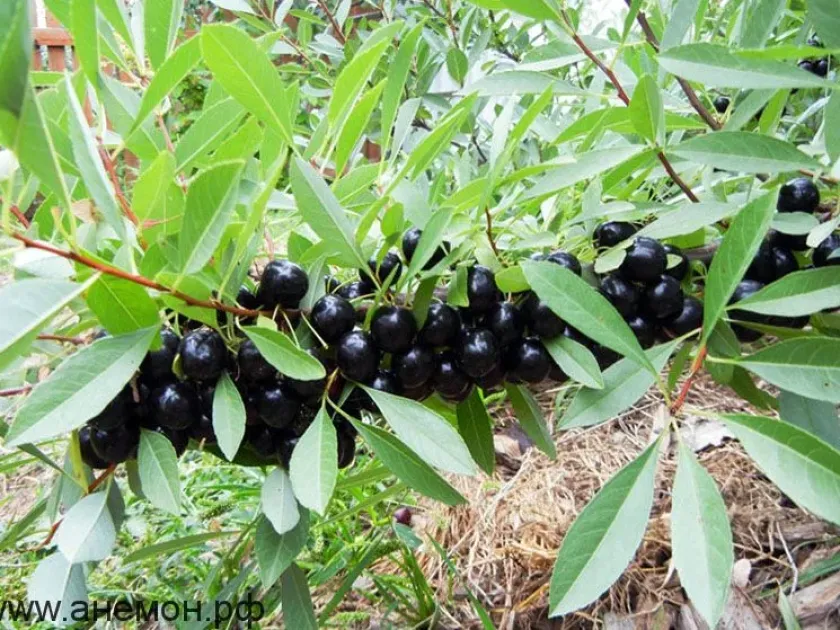
Description
Growing requirements
The Bessey cherry-myrobalan hybrid (Prunus besseyi x Prunus cerasifera) is an interspecific cross belonging to the Rosaceae family. It is primarily valued in modern horticulture as a versatile rootstock that imparts hardiness and drought tolerance to various stone fruit scions.
This hybrid is adaptable to a wide range of soil types, including sandy, loamy, and clay soils. Its robust root system provides excellent anchorage, ensuring trees remain stable and productive even under varying environmental stress factors.
Regarding climate, the culture is known for its cold hardiness, inherited from the sand cherry parent. It is well-suited for temperate regions where winter frosts can often damage more sensitive peach or apricot rootstocks.
Good agricultural practice requires consistent moisture management, especially during the establishment phase. While tolerant of drought, supplemental irrigation during peak summer heat significantly improves vigor and survival rates in new orchards.
In terms of usage, it is a preferred choice for high-density orchards due to its semi-dwarfing growth habit. By controlling the scion's vegetative growth, it allows for more efficient pruning, spraying, and manual harvesting operations.
Main diseases and pests
Common pathological threats include shot-hole disease (Stigmina carpophila), which targets foliage and young fruit under humid conditions. Sanitation and canopy management are critical steps in reducing inoculum pressure within the orchard.
Pests like aphids and fruit moths can cause localized damage to growth tips and fruits. Monitoring programs and the use of integrated pest management (IPM) strategies are essential for maintaining the health and productivity of the trees.
Management of the orchard environment, including proper spacing to ensure airflow, significantly reduces the likelihood of fungal outbreaks. This decreases the need for broad-spectrum fungicides, promoting a more sustainable growing model.
The hybrid demonstrates moderate resistance to common soil-borne diseases, which is a major advantage for sites with high replant pressure. Protecting the root system from mechanical damage during cultivation is key to maintaining this resistance.
Regular fertilization focused on potassium and micro-nutrients helps the plant sustain its vigor, which is the first line of defense against both biotic and abiotic stresses. Proper nutritional balance is essential for long-term orchard success.