
Tree cherry
Prunus arborea (Blume) Kalkman
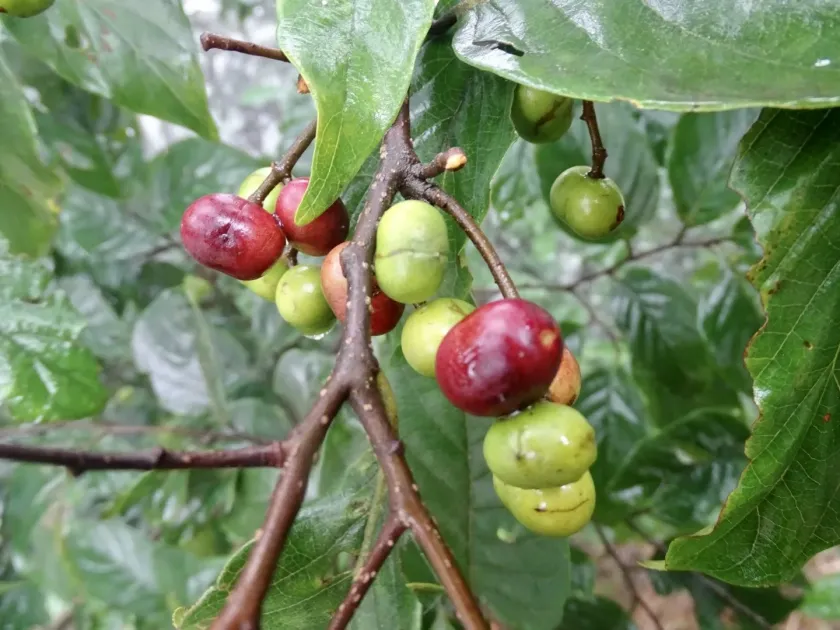
Description
Growing requirements
Prunus arborea, a member of the Rosaceae family, is a tall tree native to the tropical forests of Southeast Asia. Unlike many other species in the Prunus genus, this tree is adapted to a constant tropical climate and requires specific environmental conditions to thrive.
The tree requires well-drained, fertile soils with a balanced nutrient profile. In its natural range, it prefers deep soils that retain moisture without becoming waterlogged, as stagnant water can severely damage the root system of this species.
Climatic requirements focus on consistent warmth and high relative humidity. Prunus arborea is not frost-tolerant and thrives best in zones where temperatures remain stable throughout the year, supporting continuous growth cycles.
Sunlight exposure is crucial for the development of a dense canopy. While young trees can tolerate partial shade in understory environments, adult specimens require significant light to maintain their physiological vigor and structural integrity.
Cultural practices include proper spacing during plantation to allow for airflow and crown development. Management strategies should prioritize soil enrichment through organic matter to support the rapid biomass production characteristic of this species.
Main diseases and pests
Common threats to Prunus arborea include various fungal diseases that thrive in high-humidity tropical environments. Leaf spot and powdery mildew are significant concerns that can hinder photosynthetic activity if not managed proactively.
Insect pests, particularly leaf-eating caterpillars and aphids, pose a risk to young shoots. Large-scale infestations require a mix of biological controls and targeted applications to protect the foliage and prevent stunted growth.
Effective disease management relies on maintaining crown ventilation through strategic pruning. By reducing humidity trapped within the leaves, growers can significantly decrease the risk of fungal outbreaks.
Stem borers may also pose a threat to mature trees. Regular inspections of the bark and main trunk are recommended to identify early signs of boring insects and prevent permanent damage to the vascular system of the tree.
Integrated Pest Management (IPM) practices are highly recommended for this culture. Utilizing beneficial insects and natural deterrents helps maintain the ecological balance of the plantation while ensuring high yield and plant health.