
Primulina yungfuensis
Primulina yungfuensis
Description
Growing requirements
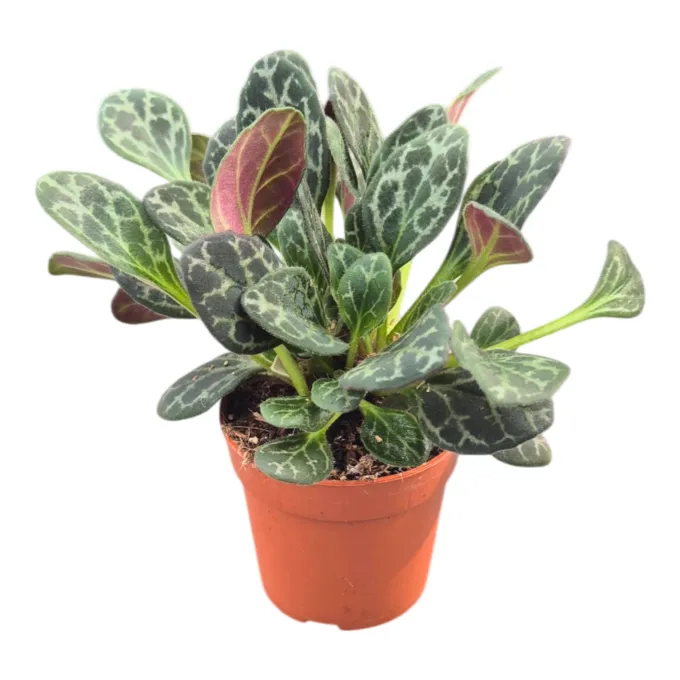
Primulina yungfuensis is a distinct species belonging to the family Gesneriaceae. Primarily known as a decorative plant, it is often grown by enthusiasts who value its unique, compact rosette structure and delicate, bell-shaped blossoms that typically appear in seasonal cycles.
In its native habitat, the plant grows as a lithophyte, clinging to limestone cliffs. This biological origin dictates its specific needs in cultivation, particularly regarding soil aeration and drainage. It does not tolerate heavy or waterlogged substrates, preferring loose, well-draining potting mixes.
Light intensity plays a crucial role in the development of Primulina yungfuensis. It requires bright, indirect light to maintain its compact growth habit and promote flowering. Direct sunlight exposure should be strictly avoided as it can cause leaf scorch and tissue damage.
Regarding irrigation, it is essential to follow a careful watering schedule. The water should be applied directly to the soil to avoid wetting the foliage, as stagnant water on the leaves or in the crown often acts as a catalyst for fungal pathogens and decay.
Temperature management is similarly important; the species thrives in moderate indoor environments ranging from 18°C to 24°C. Consistency is key, as the plant is sensitive to significant fluctuations in temperature or cold drafts, which can stress the plant and reduce its flowering potential.
Main diseases and pests
The primary threats to Primulina yungfuensis are related to improper water management, which frequently leads to root rot and crown rot. These fungal issues are often exacerbated by poor air circulation and high humidity levels without proper ventilation.
Insect pests such as mealybugs, thrips, and spider mites can also infest the plants, particularly if they are stressed. Regular inspection of the leaves, especially the undersides, is recommended, along with the application of horticultural oils or systemic treatments if an infestation is detected.