
Primulina tabacum
Primulina tabacum
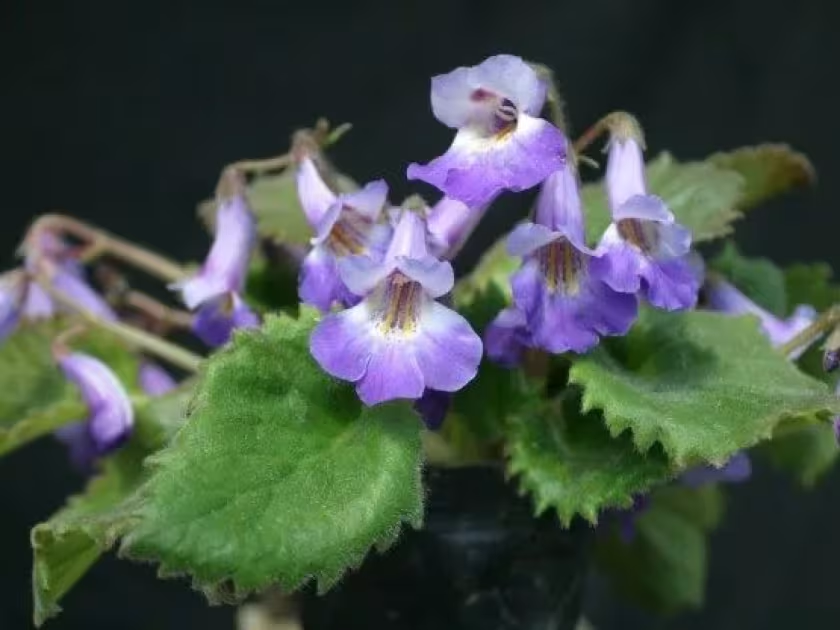
Description
Growing requirements
Primulina tabacum is a herbaceous perennial plant belonging to the Gesneriaceae family. Originally discovered in China, it has become a popular species among indoor plant enthusiasts.
The plant thrives in bright, indirect light conditions. High-intensity sunlight must be avoided to prevent scorched leaves, which are characteristic of this species' aesthetic profile.
Climate requirements include a stable temperature range of 18°C to 24°C. High ambient humidity is essential for the healthy development of its velvety foliage and overall vitality.
Soil composition should be light, airy, and well-draining. A mix of peat-based potting soil combined with perlite or vermiculite is recommended to ensure optimal root aeration.
In terms of agricultural and horticultural use, Primulina tabacum is strictly an ornamental crop, prized for its compact growth habit and elegant, long-blooming flowers.
Main diseases and pests
The primary threats to Primulina tabacum are fungal diseases, such as root rot, which are often the result of improper irrigation and waterlogged soil conditions.
Common pests that infest this crop include spider mites, mealybugs, and aphids, which thrive in environments where airflow is stagnant and humidity is not monitored.
Leaves may show signs of stress, such as yellowing or spotting, if the plant is exposed to extreme temperatures or if water is trapped within the leaf crown.
Effective management strategies involve regular inspections of the foliage and the application of appropriate acaricides or insecticides when an infestation is detected.
Proactive maintenance, including adequate spacing between plants and gentle bottom watering, significantly reduces the risk of pathogens infecting the root zone.