
Porpax gigantea
Porpax gigantea
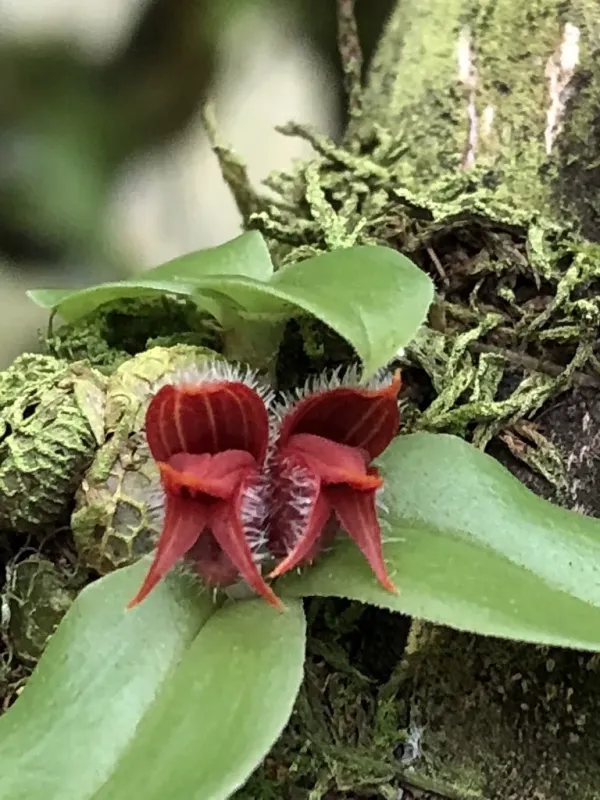
Description
Growing requirements
Porpax gigantea is a distinctive member of the Orchidaceae family, categorized as a specialized epiphytic orchid. Native to the tropical regions of Southeast Asia, specifically found in India and Myanmar, it thrives in high-altitude forests characterized by stable humidity levels.
The plant is defined by its compact, creeping habit, featuring small, tightly packed pseudobulbs that create a mat-like structure. These pseudobulbs often possess a brownish or green hue and serve as storage organs to help the plant survive periods of fluctuating moisture.
Cultivation of this species requires a climate that mimics its natural environment. It demands high relative humidity, generally above 70%, and a bright, filtered light setup that prevents direct sun exposure, which can scorch the delicate foliage.
The choice of substrate is vital for successful development. Because it is an epiphyte, Porpax gigantea requires a medium with excellent aeration, such as high-quality pine bark or a mounting board with a thin layer of moss to maintain consistent root hydration.
A distinct diurnal temperature drop is necessary to stimulate healthy growth and flowering. During the active growing season, regular misting and careful watering are essential, while during the dormant period, moisture levels should be significantly reduced.
Main diseases and pests
The primary threats to this species include root rot and fungal infections, usually caused by stagnant water or poor air circulation in the growing environment. Keeping the crown of the plant dry after watering is a crucial preventative practice.
Pest management focuses on monitoring for spider mites and scale insects. If an infestation occurs, it is best to treat the plant with insecticidal soap or mild horticultural oils, avoiding heavy chemical applications that might stress the sensitive plant tissue.