
Porpax filiformis
Porpax filiformis
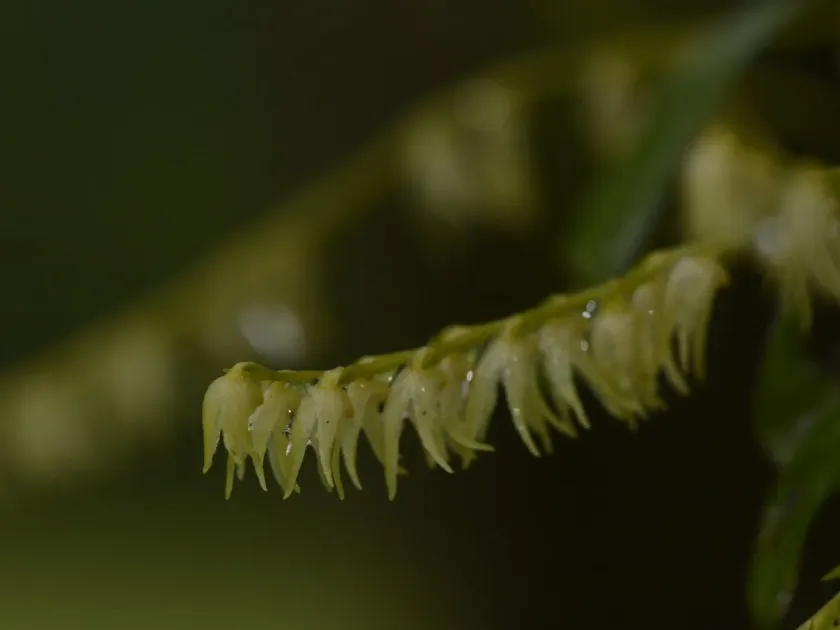
Description
Sowing dates
Porpax filiformis is a miniature epiphytic orchid, making traditional mass-scale seed sowing impractical for this specific ornamental crop.
Propagation is primarily carried out through vegetative division, specifically by separating established clusters during the repotting process.
The ideal time for division occurs at the beginning of the active growing season, following a brief dormancy period characteristic of the species.
In laboratory settings, in vitro germination requires specialized nutrient media and sterile techniques because the seeds lack functional endosperm.
Repotting should be performed sparingly, typically once every three years, using a fine-grade bark substrate enriched with sphagnum moss to balance drainage and moisture.
Growing requirements
Native to tropical Asian regions, this plant requires strict adherence to temperature parameters, ideally ranging from 18 to 25 degrees Celsius.
Porpax filiformis is sensitive to light exposure and performs best under filtered, indirect light, as direct sun causes severe leaf scorching.
High relative humidity is essential for success, with levels ideally maintained between 60 and 80 percent throughout the vegetative cycle.
Watering must be moderate and consistent; preventing water stagnation in the root zone is crucial to avoid the rot of small pseudobulbs.
The use of soft, filtered, or distilled water at room temperature is recommended to maintain the long-term health of the delicate root system.
Main diseases and pests
The primary pests affecting Porpax filiformis are spider mites and mealybugs, which thrive in environments with low humidity and poor ventilation.
Excessive moisture combined with low temperatures frequently leads to fungal infections and rapid decay of the pseudobulbs and roots.
Proactive care involves regular inspection of the foliage and maintaining optimal airflow to prevent the onset of common orchid diseases.
If decay is detected, infected sections must be excised immediately with sterile tools, followed by the application of appropriate systemic fungicides.
Maintaining proper hygiene and isolating new additions to the collection are essential practices to protect the orchid from viral and bacterial spread.