
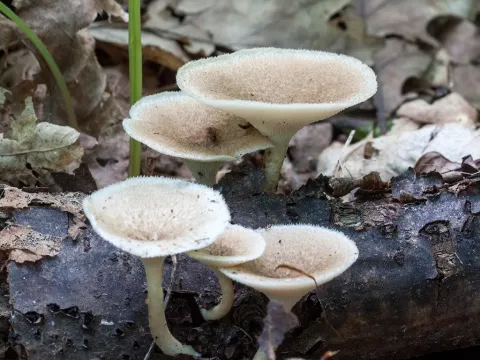
Polyporus
Polyporus Fr.
Polyporus cultivation primarily involves the inoculation of woody substrates, with species like Polyporus umbellatus requiring specific tree wood, such as oak or maple, to thrive.
What the section contains

Polyporus
The inoculation process begins with the sterilization of the wood logs or chips to eliminate competing microbes that could hinder the colonization of the fungus.
Spawning is best performed in the spring, allowing the mycelium enough time to establish itself within the substrate before the onset of extreme seasonal temperatures.
Successful colonization requires a controlled incubation environment where the temperature is maintained between 20 and 24 degrees Celsius in a dark space.
It is vital to use high-quality, laboratory-grown spawn to ensure the vigor of the culture and to prevent genetic drift during the colonization phase of the operation.
As a member of the Polyporaceae family, Polyporus relies on decomposing wood fibers, making it essential to provide a substrate with the correct lignin and cellulose content.
Optimal environmental conditions include a consistent relative humidity of 80-85% and a stable temperature range of 18-22 degrees Celsius during the fruiting stages.
Polyporus prefers shaded areas and is sensitive to direct sunlight, which can rapidly dehydrate the developing fruiting bodies and damage the delicate mycelial network.
Proper aeration is necessary to maintain oxygen levels, as the fungus requires adequate airflow to prevent the buildup of carbon dioxide, which can stunt growth.
The pH of the growth medium should be monitored and maintained within a slightly acidic range of 5.5 to 6.5 to facilitate optimal enzyme activity for wood decomposition.
The yield of Polyporus depends largely on the wood type and the thoroughness of the mycelium colonization throughout the substrate blocks or logs.
Under professional farming conditions, growers can expect to harvest multiple flushes over the lifespan of the substrate, with peak production occurring in the second year.
Careful management of moisture levels significantly boosts the total biomass, often leading to a 20-30% increase in harvest weight compared to unmanaged wild-simulated crops.
Once the wood substrate has been fully depleted by the fungus, yields will drop significantly, signaling the need for substrate replacement to maintain profitability.
Yield data should be tracked per batch to refine growing techniques and optimize the nutritional additives used during the initial setup of the mushroom farm.
Common threats to Polyporus include invasive mold species like Trichoderma, which can quickly overwhelm the growth area if sterilization protocols are not strictly followed.
Fungal gnats and other small insects pose a significant risk as they can damage the developing fruiting bodies and act as vectors for various diseases.
Bacterial blotch is a common issue caused by excessive moisture and poor ventilation, resulting in soft, discolored, and unsellable mushroom produce.
Slugs and snails are major pests for outdoor or greenhouse setups, requiring protective netting or manual removal to prevent widespread damage to the crops.
Regular sanitation of the farming facility, combined with strict pest monitoring, is the most effective way to prevent outbreaks and secure a healthy harvest.
Harvesting Polyporus requires precision; fruiting bodies should be carefully cut at the base to avoid disturbing the mycelium and to allow for future flushes.
Timing is critical, as mushrooms should be harvested when the cap edge is still firm, preventing the texture from becoming too woody or tough for culinary or medicinal use.
Post-harvest handling involves cleaning the fruiting bodies of substrate debris and placing them in cold storage at 2-4 degrees Celsius to maintain shelf life.
Many producers choose to dry the mushrooms at low temperatures, which preserves the active compounds and makes them easier to transport and store for long periods.
Proper harvest records help in evaluating the overall health of the mushroom bed and determining the exact timing for the next cycle of cultivation.