
Polyporus tuberaster
Polyporus tuberaster (Jacquin ex Persoon) Fries
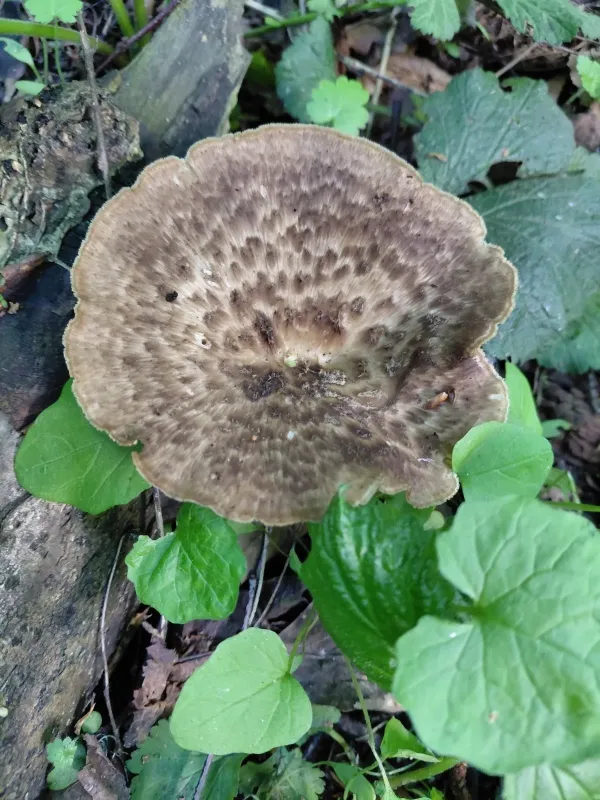
Description
Sowing dates
The cultivation of Polyporus tuberaster begins with the sterile inoculation of wood-based substrates with pure culture mycelium.
The timing of sowing is flexible in controlled indoor environments, provided that temperature and humidity levels are met.
Successful colonization requires a well-prepared nutrient-rich substrate, often utilizing hardwood chips or logs.
The incubation period requires total darkness and consistent temperature to ensure the mycelium fully permeates the block.
Monitoring the colonization process is essential to confirm that no contaminants have entered the growth environment.
Growing requirements
Polyporus tuberaster thrives in moderate climates with temperatures ranging from 18 to 22 degrees Celsius during development.
High relative humidity is necessary to prevent the surface of the substrate blocks from drying out during pinning.
Fresh air exchange must be maintained to keep carbon dioxide levels low, which is crucial for proper cap expansion.
Lighting should be indirect and low-intensity, mimicking the forest floor conditions where this species naturally occurs.
Regular monitoring of water quality is important, as impurities in irrigation water can affect the long-term viability of the mycelium.
Yield
The yield of Polyporus tuberaster varies depending on the nutritional composition and density of the substrate used.
Farmers typically aim for multiple flushes, with the first flush usually being the most productive in terms of biomass.
Optimizing nitrogen supplements in the substrate can significantly increase the overall output per kilogram of material.
Proper harvesting timing prevents the loss of mass and quality that occurs as the mushrooms reach full maturity.
Achieving consistent yields requires rigorous control of the environmental parameters throughout the entire lifecycle.
Main diseases and pests
Trichoderma green mold is the most common and destructive threat to mushroom blocks during the colonization phase.
Poor sanitation practices can lead to bacterial blotch, which manifests as discolored patches on the mushroom caps.
Fungus gnats are major pests that can compromise the health of the crop by feeding on the mycelium and developing fruit bodies.
Integrated pest management, including physical barriers and clean cultivation environments, is key to preventing infestations.
Early identification of problematic blocks is necessary to prevent the spread of diseases within the grow room.
Harvesting
Harvesting is performed by carefully cutting the mushrooms at the base when the caps are firm and fully formed.
Leaving stubs on the substrate should be avoided as they can become sites for rot and attract unwanted pests.
Post-harvest care involves immediate cooling to extend the shelf life of the mushrooms before they are processed or sold.
The harvested fungi are valued for their culinary properties and can be preserved through drying for long-term storage.
After each flush, the blocks need a short resting period before triggering the next cycle of fruit body production.