
Poliothyrsis sinensis
Poliothyrsis sinensis
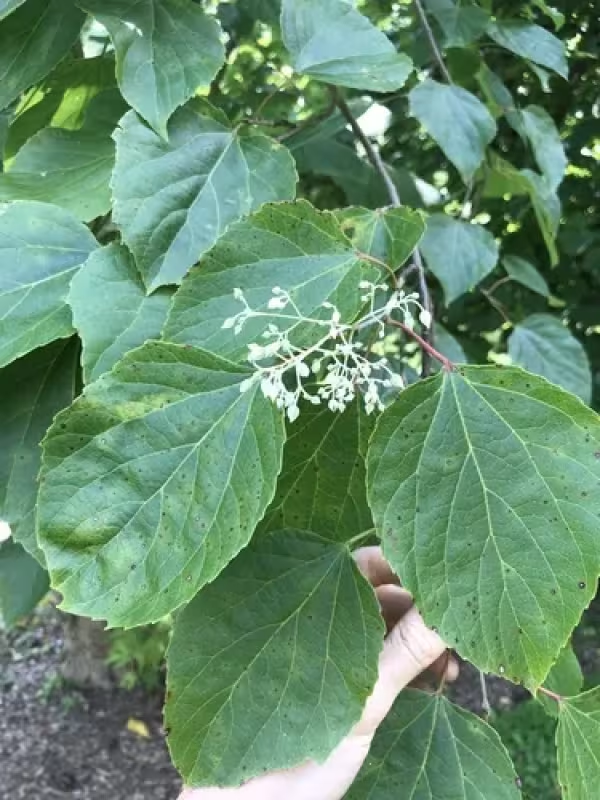
Description
Growing requirements
Poliothyrsis sinensis is a unique, monotypic genus of deciduous trees belonging to the Salicaceae family. Native to the wooded mountain slopes of China, this plant is increasingly sought after by collectors for its elegant foliage and distinct architectural form.
Botanically, the tree is characterized by large, heart-shaped, serrated leaves and terminal panicles of small, creamy-white flowers that bloom during the summer months. It typically grows as a small to medium-sized tree under favorable forest-like conditions.
The cultivation of this species requires well-drained, fertile soil enriched with organic matter. It thrives best in locations that offer protection from harsh winds and direct scorching sun, mimicking the filtered light of its native mountain forest habitats.
Climate requirements include a temperate environment. While it is reasonably hardy, young specimens require protection against extreme cold and late spring frosts. Consistent soil moisture is vital during the growing season to prevent leaf scorching.
In landscaping, Poliothyrsis sinensis serves as a refined specimen tree. Due to its relatively slow growth rate and graceful habit, it is an excellent choice for ornamental parks, arboretums, and private gardens where exotic foliage is desired.
Main diseases and pests
The primary threats to the vitality of Poliothyrsis sinensis involve fungal pathogens that affect the foliage, especially in climates with high summer humidity. Proper sanitation and spacing are recommended for healthy growth.
Leaf-eating beetles and aphids are the most common pests that may infest the foliage. Regular monitoring and, if necessary, the application of horticultural oils or insecticides, can manage these populations effectively.
Root rot is a severe risk if the soil is poorly drained or if the plant is subjected to waterlogging. Ensuring that the planting site has excellent drainage is the most effective preventative measure against such issues.
Nutrient deficiencies, particularly iron or magnesium, can occur in alkaline soils, leading to chlorosis. Maintaining slightly acidic soil pH is crucial to ensure the tree maintains its deep green, healthy foliage.
Environmental stress, such as drought or high wind exposure, can lead to stunted growth. Mulching around the base of the tree is highly recommended to retain soil moisture and regulate root zone temperature throughout the year.