
Polanisia maculata
Polanisia maculata
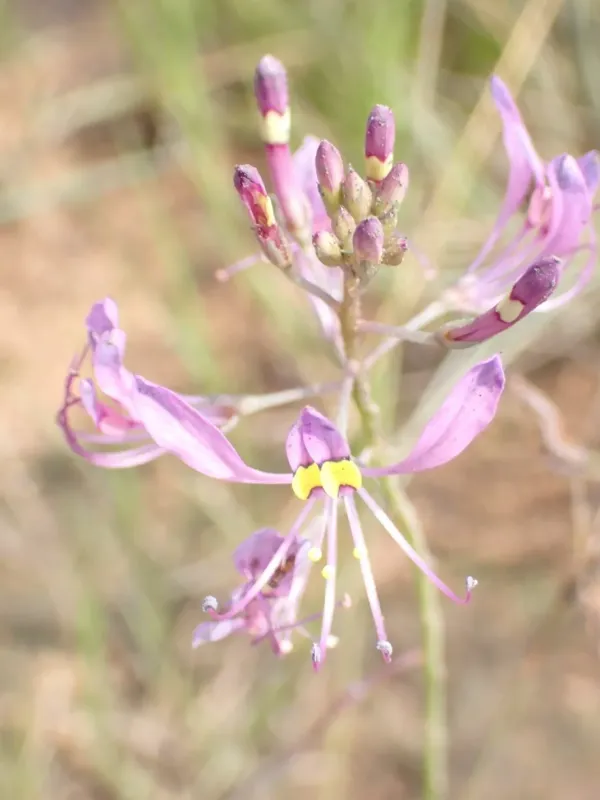
Description
Growing requirements
Polanisia maculata, known as the spotted bee plant or clammyweed, belongs to the Capparaceae family. This annual herb is native to North America and has evolved to thrive in sandy, well-drained habitats across diverse regions.
The plant is highly regarded for its drought tolerance, making it an interesting candidate for low-input agricultural systems. It requires full solar exposure to maximize biomass production and seed set throughout the growing season.
Regarding soil, Polanisia maculata prefers sandy or light loamy substrates with neutral to slightly alkaline pH levels. It performs exceptionally well in poor or rocky soils where other traditional crops might struggle to establish.
Climate requirements for successful cultivation include a consistent warm temperature profile. High humidity and waterlogged conditions are the primary inhibitors to growth and should be avoided through strategic site selection.
The economic potential of this species is primarily centered on its oil-rich seeds, which contain unique lipid profiles. Additionally, its role as a pollinator-friendly plant makes it an asset for biodiversity-integrated farm management.
Main diseases and pests
Root rot diseases are the most significant threats to Polanisia maculata, often triggered by excessive soil moisture or poor drainage in the field. Effective management involves precision irrigation and soil aeration.
Insect pests such as leaf-chewing beetles can cause localized damage to the foliage. Monitoring programs are essential to determine whether threshold levels for intervention have been reached during the vegetative stage.
Weed management remains a labor-intensive but necessary part of cultivation, especially during the early stages of plant development. Mechanical weeding between rows helps prevent nutrient competition.
Viral infections may occur if the crop is planted near wild hosts harboring aphid populations. Maintaining a clean field buffer zone helps reduce the risk of secondary infections by common agricultural pests.
Farmers should prioritize preventative measures, including high-quality seed selection and proper crop rotation, to reduce the reliance on chemical pesticides and promote sustainable farming practices.