
Pogonatherum paniceum
Pogonatherum paniceum (Lam.) Hack.
Description
Growing requirements
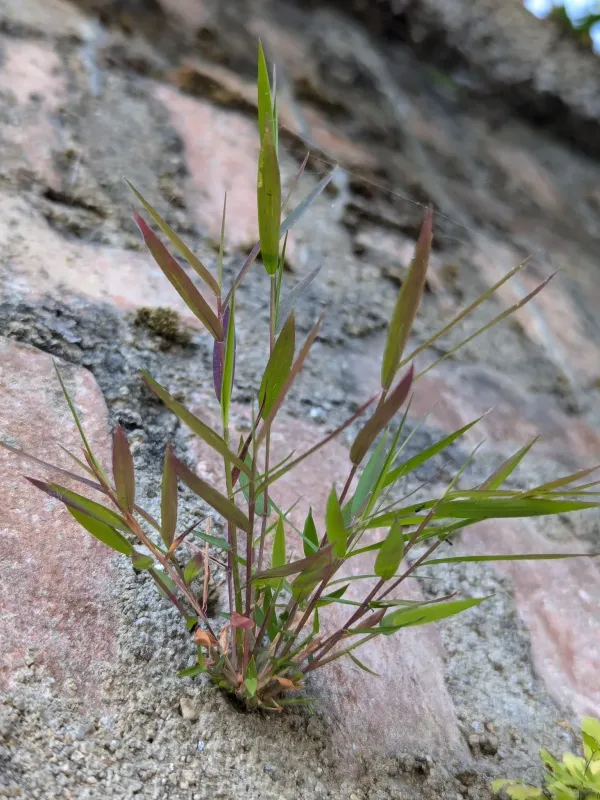
Pogonatherum paniceum, commonly known as a house bamboo or tassel grass, is a member of the Poaceae family. Despite its appearance, it is a grass species that looks like a miniature bamboo plant.
Originating from tropical and subtropical areas of Asia, this plant thrives in humid environments. It is naturally found near riverbanks and mountain slopes where humidity remains high throughout the year.
To cultivate this crop effectively, it requires a warm climate with temperatures consistently above +18°C. It is intolerant of cold drafts and requires protection from frost, making it ideal for temperate zone indoor spaces.
The soil requirements involve a well-draining yet moisture-retentive substrate. It thrives in loamy soils mixed with organic matter to ensure adequate nutrient supply and moisture levels for the root system.
Its primary use is in ornamental horticulture. It is highly valued as a houseplant for its lush, graceful appearance, adding a tropical touch to indoor gardens and conservatories.
Main diseases and pests
Spider mites are the most common pest associated with Pogonatherum paniceum, especially when indoor humidity levels are allowed to drop below the required threshold.
Scale insects can also infest the stems and leaves, causing structural damage. Regular monitoring of the foliage is essential to detect these pests early and prevent widespread infestation.
Root rot is a major threat caused by waterlogged soil and poor drainage. This condition can quickly turn the leaves yellow and lead to the collapse of the entire root structure.
Fungal infections may occur if air circulation is insufficient. Ensuring proper ventilation around the plant is key to maintaining overall health and preventing mold development.
Effective management includes consistent watering, humidity regulation, and the application of appropriate pest control measures whenever initial signs of stress are observed.