
Pogonatherum crinitum
Pogonatherum crinitum (Thunb.) Kunth
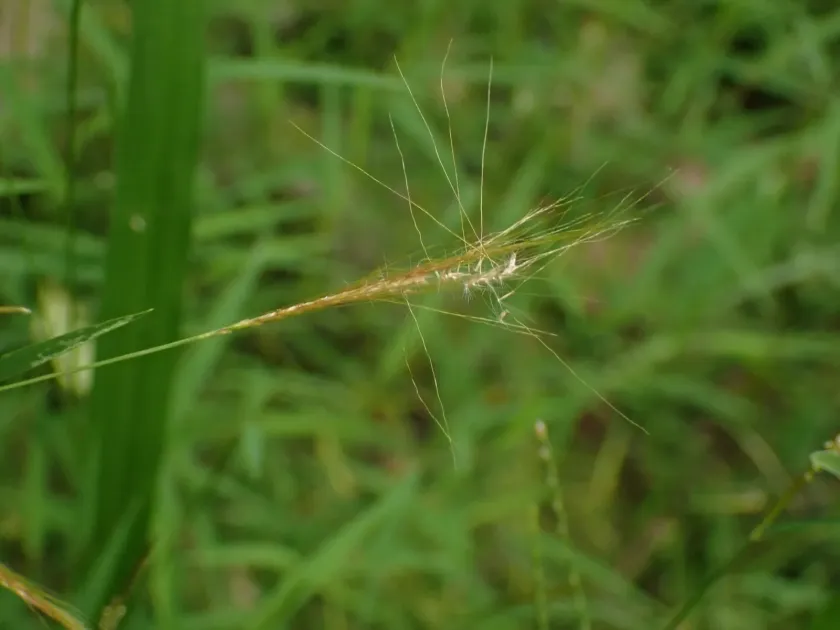
Description
Growing requirements
Pogonatherum crinitum is a member of the Poaceae family. This perennial grass is native to tropical Asia, where it typically thrives in humid, rocky areas and along riverbanks, showcasing its natural affinity for high-moisture environments.
The primary requirement for this crop is high air and soil humidity. As a moisture-loving species, it cannot tolerate the drying out of its root ball, which can lead to irreversible damage or even plant death within a few days.
Ideal temperatures for this grass range between +18 and +25 degrees Celsius. It is highly sensitive to cold drafts and sudden temperature fluctuations, which can cause significant stress and lead to rapid foliage decline.
The potting medium must be light, nutrient-rich, and capable of holding moisture while providing adequate drainage. A peat-based mix supplemented with perlite is often recommended to maintain the necessary soil structure and pH.
Bright, filtered light is essential for the healthy development of Pogonatherum crinitum. While it enjoys intensity, direct sunlight should be avoided to prevent leaf scorching, especially during the hottest part of the day.
Main diseases and pests
Spider mites represent the most significant pest threat, especially in indoor environments with low humidity. Regular misting of the foliage is a highly effective preventative measure to discourage these pests from settling.
Root rot is a common issue caused by stagnant water in the container. To prevent this, it is crucial to ensure that the drainage layer at the bottom of the pot is functional and that excess water is removed from the saucer.
Mealybugs may colonize the stems and foliage in poorly ventilated areas. Early detection and treatment with systemic insecticides or gentle washing with mild soapy water are effective ways to control such infestations.
Chlorosis, manifesting as yellowing leaves, is often caused by hard water or a deficiency in specific nutrients. Using filtered or distilled water at room temperature helps maintain the plant's vibrant green appearance.
General foliage browning often indicates improper environmental conditions, such as extreme heat or low atmospheric humidity. Adjusting the placement and increasing ambient moisture levels will usually restore the plant's health.