
Silky Podalyria
Podalyria sericea
Description
Growing requirements
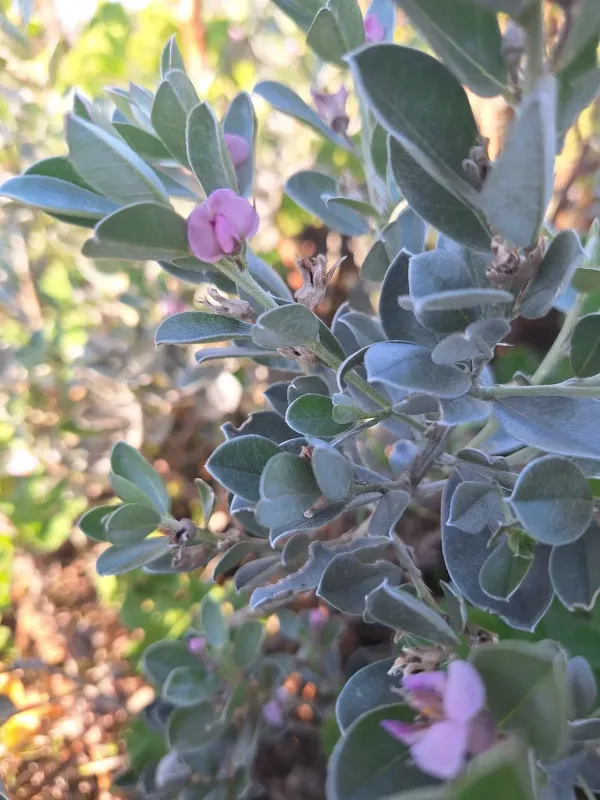
Silky Podalyria (Podalyria sericea) is an evergreen shrub belonging to the Fabaceae family, native to the Western Cape region of South Africa. It is widely recognized for its stunning silvery-grey foliage and fragrant pink blossoms.
The botanical structure of the plant features small, simple leaves densely covered in fine, silky hairs. These hairs provide essential protection against intense sunlight and heat, making the plant well-adapted to Mediterranean-like climates.
Successful cultivation requires well-draining soil with a neutral to slightly acidic pH. Given its sensitivity to root rot, it is crucial to avoid waterlogged sites; planting in raised beds or sandy soil is recommended for optimal health.
The species thrives in full sun exposure. It prefers warm temperatures and requires protection from frost, as severe cold can significantly damage the stems and leaves, potentially killing young specimens.
In terms of agricultural maintenance, Silky Podalyria needs minimal intervention. Light pruning after flowering helps to maintain a compact, bushy shape and encourages more vigorous growth for the next season.
Main diseases and pests
The primary concern for this shrub is fungal infection related to excess moisture, specifically Phytophthora root rot. Ensuring adequate air circulation and proper drainage is the most effective preventative measure.
Insect pests such as aphids and spider mites can occasionally colonize the foliage, especially during periods of drought or high stress. Integrated pest management using gentle systemic soap or horticultural oils is usually effective against these threats.